



To spot roof damage early, you should regularly inspect your attic for leaks and mold, check for missing or curled shingles, and monitor your gutters for blockages. Look for water stains on ceilings, granules in gutters, and any sagging areas. If you see significant damage or aren’t sure of its extent, call a professional. Taking these steps can prevent costly repairs down the road, and there’s more you can do to maintain your roof’s integrity.
Article Highlights
- Regularly inspect shingles for missing, cracked, or curling pieces to catch damage early.
- Check for water stains on ceilings or walls as indicators of potential leaks.
- Monitor gutters for granules and debris that can signal shingle deterioration.
- Conduct attic inspections for mold growth or leaks to prevent serious issues.
- Schedule seasonal professional inspections to ensure roof integrity and maintain home value.
How to Identify Roof Damage Early
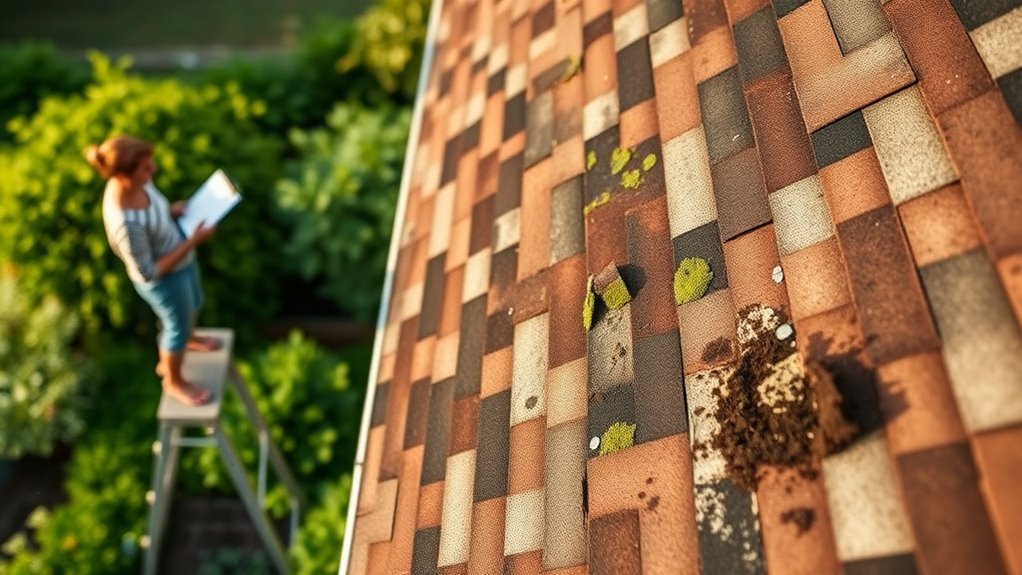
How can you tell if your roof’s starting to show signs of damage? Start with a thorough attic inspection; look for mold growth or signs of leaks. Check the shingle condition—missing or curling shingles can mean trouble ahead. Pay attention to gutter health; clogged gutters can lead to ice dams and water pooling. If you notice algae stains on your roof, it might indicate longer-term moisture issues. Don’t forget to inspect the flashing around chimneys and vents for potential flashing issues. Finally, if you have tree overhangs, make sure branches aren’t scratching or damaging your roof. Keeping an eye on these factors can help you catch problems early and maintain a healthy, secure home.
What to Do When You Spot Roof Damage?
When you spot roof damage, it’s vital to assess the situation right away. Take photos to document what you see, as this can help when discussing repairs. Finally, reach out to a professional to guarantee the damage gets fixed properly.
Assess The Damage Promptly
Spotting roof damage early is essential, as it can save you time and money in the long run. When you notice signs of damage, it’s important to assess the situation without delay. Here’s how you can get started:
- Use Inspection Tools: Grab binoculars or a drone to safely inspect hard-to-reach areas.
- Check Roof Materials: Look for missing, cracked, or curling shingles that might compromise your roof.
- Examine Flashing: Verify that metal flashing around chimneys and vents is secure and intact.
- Look for Leaks: Inside your home, check for water stains or dampness in ceilings and walls.
Taking these steps can help you identify potential issues before they escalate, making sure your home stays safe and sound.
Document With Photos
Documenting roof damage with photos is a crucial step in the assessment process. When you spot issues, grab your phone or camera and start snapping pictures. Focus on the affected roof materials, whether it’s shingles, tiles, or metal, and capture different angles. This visual record helps you remember details later and can be invaluable for discussions with professionals. Use effective inspection techniques, as well—get close-ups of cracks or leaks, and don’t forget to document entire sections for context. Sharing these images with others in your community can cultivate a sense of belonging, as you all navigate home maintenance together. By taking these steps, you’re not just protecting your home; you’re simultaneously building connections with those who care about their roofs, too.
Contact A Professional Expert
After you’ve captured photos of any roof damage, it’s time to reach out to a professional expert. Connecting with someone who knows roofing materials inside and out—especially a contractor who provides emergency roof repair—can make all the difference. Here’s what to do next:
- Share your photos: Send your images to give the expert a clear view of the damage.
- Ask for a consultation: Set up a meeting to discuss your concerns and get their expert advice.
- Inquire about solutions: Explore repair or replacement options and the best roofing materials for your home.
- Get a quote: Request an estimate to understand the potential costs and budget accordingly.
Taking these steps will help guarantee your roof gets the attention it needs before it leads to costly repairs.
How Weather Impacts Roof Integrity
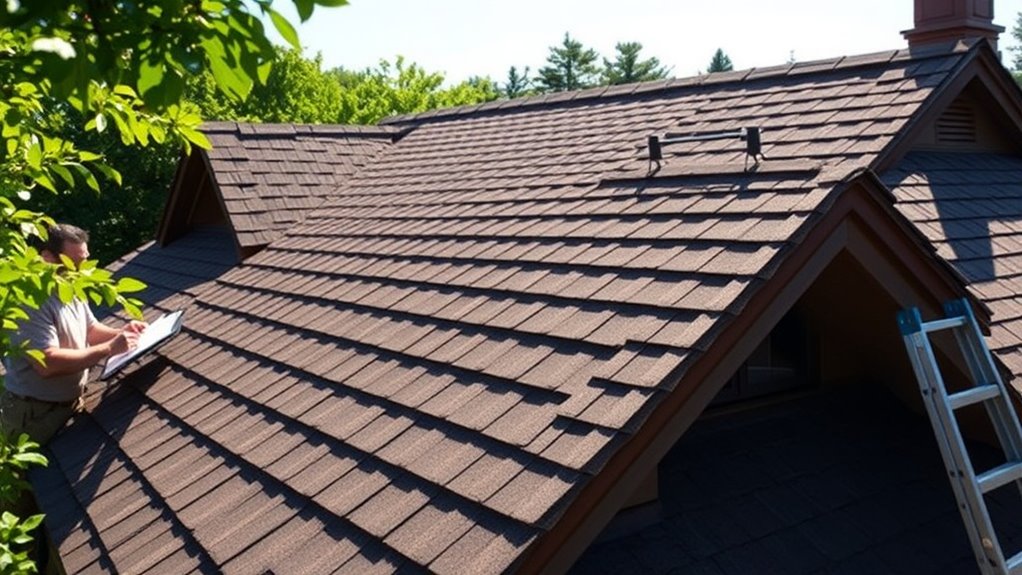
Weather can seriously affect your roof’s integrity, so it’s important to stay vigilant. Rain and moisture can lead to leaks and mold, whereas strong winds can lift shingles and cause serious damage. Being aware of these factors helps you spot potential issues before they escalate.
Rain and Moisture Effects
Even when you think your roof is in good shape, rain and moisture can silently compromise its integrity over time. You might not notice the signs until it’s too late, leading to costly repairs. Here are a few effects to watch for:
- Moisture Accumulation: This can lead to mold growth, posing health risks to your family.
- Rain Leaks: Even tiny leaks can cause significant damage inside your home.
- Shingle Damage: Prolonged exposure to moisture can weaken shingles, making them more susceptible to breakage.
- Structural Integrity: Excess moisture can compromise the roof’s support system, risking the entire structure.
Stay vigilant and check your roof regularly to avoid potential issues down the line. Your home deserves the best care!
Wind Damage Risks
Though you might think your roof can withstand strong winds, the truth is that high gusts can cause significant damage if you’re not careful. Wind uplift can lead to shingle displacement, leaving your roof vulnerable. During storms, debris accumulation may block gutters, causing water to back up and increasing the risk of flashing failure. Ice damming can also occur if melting snow can’t drain properly, adding stress to your roof. To protect your home, effective storm preparation is key. Regularly inspect your roof and clear any debris. Don’t forget to review your insurance coverage, as wind damage coverage varies. By staying proactive, you can guarantee your roof remains a secure haven for you and your loved ones.
Why Regular Roof Inspections Are Crucial
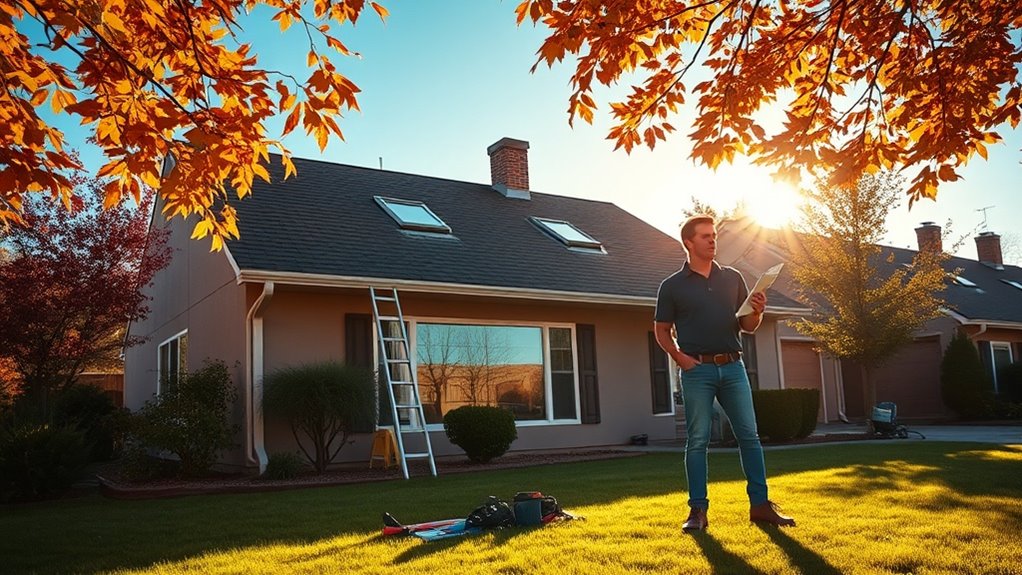
Regular roof inspections aren’t just a good idea; they’re essential for protecting your home. By staying proactive, you can significantly extend your roof’s lifespan and prevent costly repairs down the line. Consistent inspections help you catch minor issues before they escalate, promoting a sense of community and care for your property.
Here are four reasons why you should prioritize inspection frequency:
- Early Detection: Identify problems before they worsen.
- Safety Assurance: Confirm your roof can withstand harsh weather.
- Insurance Compliance: Maintain coverage by showing regular maintenance.
- Increased Home Value: A well-maintained roof boosts your property’s appeal.
Additionally, regular inspections ensure regulatory compliance, safeguard your investment, and minimize potential disputes.
Top DIY Roof Inspection Tips
To maintain your roof, knowing how to conduct a DIY inspection can save you time and money. Start by checking for damaged roof materials, like missing shingles or cracks, especially after seasonal changes. Climb up safely with a sturdy ladder and look for signs of wear or leaks in the flashing. Pay attention to any sagging areas or dark spots, which could indicate moisture damage. Don’t forget to inspect the gutters too; they should be clear to avoid water backup. If you spot any issues, address them quickly to prevent further damage. By staying proactive, you’ll not only protect your home but also encourage a sense of community among fellow homeowners who value their roofs as much as you do. Remember, common roofing problems can escalate quickly if left unaddressed.
Preventative Maintenance for a Longer-Lasting Roof
To guarantee your roof stands the test of time, it’s essential to prioritize preventative maintenance. By taking a few simple steps, you can improve your roof’s lifespan and feel secure in your home. Here are some effective roof maintenance longevity tips:
- Regular Inspections: Check for missing shingles or debris at least twice a year.
- Clean Gutters: Make certain your gutters are clear to prevent water buildup that can harm your roof.
- Trim Overhanging Branches: Keep trees trimmed to stop branches from damaging your roof during storms.
- Schedule Professional Check-ups: Hire a roofing expert every few years to catch early signs of wear.
Frequently Asked Questions
How Often Should I Schedule Professional Roof Inspections?
You should schedule professional roof inspections at least twice a year, ideally during seasonal maintenance periods like spring and fall. It’s easy to overlook your roof, but just like you wouldn’t ignore a friend in need, don’t neglect your home’s protection. Regular inspections can spot potential issues early, saving you from costly repairs down the road. Trust me, this small step helps you become part the community of proactive homeowners.
What Are the Signs of Hidden Roof Damage?
You’ll want to watch for signs like water stains on ceilings, which can indicate a leak. Check for shingle wear, like curling or missing pieces, as these can lead to bigger problems. Look for granules in gutters too; that’s a sign your shingles are deteriorating. If you notice any of these signs, it’s best to get a professional to assess your roof before those small issues turn into costly repairs.
Can Roof Damage Affect My Home’s Insurance?
Yes, roof damage can definitely influence your home’s insurance. For instance, if you’ve got a leaky roof that you postpone fixing, it could lead to water damage inside your home. When you file a claim, your insurance coverage might not cover the extensive damage caused by neglect. Insurers often scrutinize your claim process closely, so staying proactive about repairs is crucial to guarantee you’re protected when issues arise.
How Long Does a Typical Roof Last?
A typical roof lasts about 20 to 30 years, depending on the materials and maintenance. To maximize your roof’s lifespan, keep an eye on it with regular inspections and address any issues quickly. Simple maintenance tips like clearing debris, cleaning gutters, and checking for leaks can make a big difference. By taking these steps, you’ll not just protect your home but also cultivate a sense of pride in caring for your space.
Are There Specific Materials More Prone to Damage?
Yes, some roofing materials are undoubtedly more susceptible to damage. For instance, traditional asphalt shingles might wear out more quickly than metal roofs, which are typically more durable. Tile roofs offer great longevity but can crack under heavy impact. Flat roofing, although affordable, often suffers from pooling water and UV damage. It’s wise to reflect on these factors when choosing a roof, as they can greatly influence your home’s overall protection and longevity.