



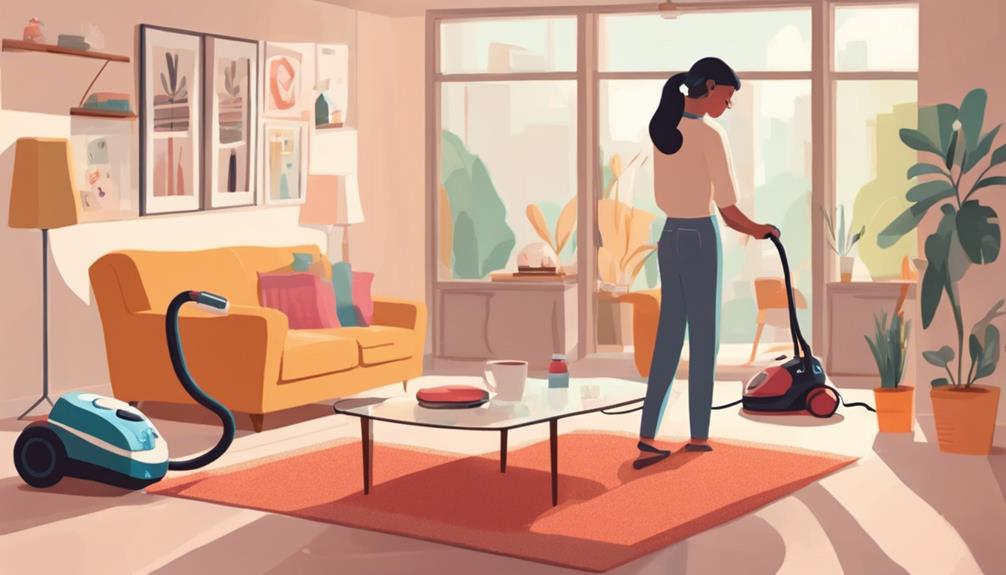
Revamping your space demands a multi-faceted approach, beginning with decluttering and organizing your living area to boost overall well-being. Introducing a strategic cleaning plan that prioritizes high-contact surfaces and integrates efficient sanitizing techniques is vital. Efficient dusting and vacuuming practices can further elevate the cleanliness of your space. Routine cleaning schedules and a focus on kitchen and bathroom cleaning are also pivotal. By incorporating these expert cleaning strategies, you can greatly enhance your living space. By delving into these key areas more deeply, you can cultivate the skills required to uphold a clean, organized, and healthy home. Additionally, incorporating innovative wall treatments can add both aesthetic appeal and functionality to your space, making it feel fresher and more personalized. Whether through textured wallpapers, eco-friendly paints, or decorative panels, these enhancements can complement your cleaning efforts and contribute to a more polished environment. By combining cleanliness with thoughtful design choices, you can create a harmonious and inviting home.
Decluttering Your Living Space
Decluttering Your Living Area
A disorganized living area can significantly impact mental and physical well-being, leading to increased stress levels and reduced productivity. To transform your area and enhance overall well-being, embracing a minimalist lifestyle is crucial. By reducing belongings to only the necessities, you can create a sense of peace and clarity that influences every aspect of your life.
Effective decluttering requires strategic planning and execution. Begin by categorizing items into three piles: keep, donate, and discard. Be ruthless when assessing each item, questioning if it truly adds value to your life. For items that are challenging to let go of, consider capturing a photo of the item as a memento, instead of keeping the physical object.
To uphold a clutter-free area, invest in versatile storage solutions that meet your specific requirements. Consider multi-purpose furniture pieces, like storage ottomans or coffee tables with built-in storage. Labeling and categorizing storage containers can also assist in keeping clutter under control.
Mastering the Art of Disinfecting
Perfecting the Technique of Sanitizing
A well-sanitized environment plays a pivotal role in maintaining the overall health and well-being of individuals, especially in busy areas and during peak illness seasons. Effective sanitizing requires attention to detail and a strategic approach to eliminate germs and bacteria from high-risk areas.
To begin, focus on cleaning high touch surfaces such as doorknobs, light switches, and countertops. These areas are hotbeds for bacteria and viruses, making them a top priority for sanitizing. Use a medical-grade disinfectant and follow the manufacturer's guidelines for best results.
Sanitizing electronics is another essential step in maintaining a healthy environment. Keyboards, remote controls, and smartphones can harbor germs and bacteria, putting users at risk of illness. Use a sanitizing wipe specifically designed for electronics and carefully wipe down surfaces, paying attention to crevices and corners.
When sanitizing, remember to wear gloves and work in a well-ventilated area to avoid exposure to strong chemicals. Always follow the manufacturer's guidelines and recommended dwell times to ensure effective sanitizing. By prioritizing high touch surfaces and electronics, you can create a safer and healthier environment for yourself and others. By perfecting the technique of sanitizing, you can take control of your space and maintain a clean and healthy environment.
Organizing Your Closet and Wardrobe
Maintaining a clean and healthy environment extends beyond disinfecting and sanitizing. A key component of a well-organized space is a clutter-free closet and wardrobe. Effective closet organization and wardrobe upkeep are necessary for maximizing storage space, reducing stress, and increasing productivity.
To achieve ideal closet organization, start by purging your closet of unnecessary items. Sort clothing, shoes, and accessories into categories, and separate items to keep, donate, or discard. Utilize storage solutions such as shelves, drawers, and hanging organizers to maximize vertical space and keep items off the floor. Implement a "one in, one out" policy to maintain your newly organized closet.
Wardrobe maintenance is also vital for a clutter-free closet. Regularly inspect your clothing for damage, stains, and wear. Mend or replace items as needed, and consider implementing a seasonal rotation to guarantee that your wardrobe remains relevant and functional. Store out-of-season clothing in labeled containers or bins to free up space and reduce clutter.
Effective Dusting and Vacuuming Techniques
Dusting and vacuuming are pivotal tasks that can greatly impact the cleanliness and overall ambiance of a space. Implementing efficient dusting techniques and eco-friendly cleaning methods can enhance your space and protect the environment.
When it comes to dusting, using the right tools is necessary. Microfiber cloths and extendable dusters can help you reach tight spaces and corners, making the task more effective. Furthermore, using a damp cloth can help trap dust particles, reducing the amount of dust that becomes airborne.
Effective Vacuuming Techniques | Eco-Friendly Alternatives
—————————|————————-
Use vacuum attachments for tight spaces and upholstery | Opt for a vacuum with a HEPA filter to decrease allergens and dust particles
Dust and vacuum in sections to maintain organization and efficiency | Consider using a cordless vacuum for easier maneuverability and decreased energy consumption
Use a gentle suction setting on delicate surfaces | Incorporate regular vacuum maintenance to prolong the life of your vacuum and reduce waste
Efficient dusting and vacuuming techniques can have a significant impact on the overall cleanliness of your space. By incorporating eco-friendly cleaning methods and using the right tools, you can maintain a clean and healthy environment while reducing your environmental footprint.
Cleaning Your Kitchen Countertops
Cleaning your kitchen countertops requires a multifaceted approach that incorporates regular maintenance, specialized care for specific materials, and effective techniques for tackling tough stains. A daily cleaning routine can help prevent crumbs and spills from building up, but it's crucial to understand the unique needs of your countertop material, whether it's natural stone, laminate, or another surface. By combining these strategies with targeted stain removal techniques, you can keep your kitchen countertops clean, hygienic, and looking their best.
Daily Cleaning Routine
Embedded in the heart of every home, the kitchen is a lively hub of activity that requires regular attention to stay hygienic and functional. Establishing a daily cleaning routine is essential to maintaining a clean and efficient kitchen. Begin by assigning specific cleaning tasks to each day of the week or delegating duties among household members to promote responsibility and teamwork.
To maintain your kitchen countertops' sparkle and shine, incorporate effective tidying into your daily routine. Clear off clutter, dirty dishes, and appliances immediately after use, and wipe down surfaces with a mild cleanser to prevent crumbs and spills from forming stubborn stains. Quick wiping of countertops after meals can also help prevent grime buildup and make deep cleaning easier.
Streamline your daily cleaning routine by focusing on high-traffic areas and frequently used surfaces. By dedicating a few minutes each day to cleaning, you can prevent messes from accumulating and reduce the need for extensive deep cleaning sessions. Stay on top of messes and maintain a hygienic kitchen by prioritizing effective tidying and quick wiping in your daily cleaning routine.
Natural Stone Care Tips
Maintaining the beauty and durability of natural stone kitchen countertops requires a thoughtful approach to care and maintenance. Effective marble maintenance and granite care involve implementing proper cleaning and sealing methods to protect the stone from stains and etching. Regular cleaning should be done using a pH-balanced cleaner specifically crafted for natural stone, as harsh chemicals can harm the surface.
Natural stone polishing is also necessary to preserve the stone's appearance. This process involves using a polishing compound to eliminate scratches and restore the stone's shine. Nonetheless, it's vital to choose a polishing compound suitable for the type of stone, as some compounds can harm the surface.
Sealing methods also play a significant role in safeguarding natural stone countertops. A high-quality stone sealer can prevent stains and etching, making cleaning and maintenance easier. It's advisable to seal natural stone countertops every 1-2 years, depending on the level of use and exposure to spills. By implementing these care and maintenance methods, homeowners can enjoy their stunning natural stone kitchen countertops for years to come.
Stubborn Stain Removal
Dealing with stubborn stains on kitchen countertops can be a challenging and frustrating task, especially when they appear on high-traffic surfaces. These stains can seep deep into the material, making them difficult to eliminate. In such cases, deep cleaning methods are necessary to effectively get rid of tough grime. A combination of the right cleaning products and techniques can make all the distinction.
When tackling stubborn stains, acting promptly is crucial to prevent them from setting. For oil-based stains, baking soda and water can be used to create a paste that lifts the stain. For acid-based stains like those from citrus or tomatoes, a mixture of equal parts water and white vinegar can help neutralize the stain. Even old carpet stains can be eliminated using similar techniques, where a solution of equal parts water and white vinegar is applied to the stain and left to sit before being rinsed with cold water. By using these methods, homeowners can restore their kitchen countertops to their original state, removing even the most resilient stains. Effective stain removal requires patience, persistence, and the right methods to achieve desired results.
Bathroom Sanitizing and Maintenance
The bathroom is one of the most frequently used rooms in a home, with multiple family members often sharing the space on a daily basis. Proper sanitizing and maintenance are essential to prevent the buildup of bacteria, mold, and mildew. Effective bathroom cleaning requires attention to detail, the right cleaning products, and a clear grasp of the tasks involved.
To achieve a hygienic bathroom environment, focus on the following key areas: grout scrubbing and tile shining. Grout lines between tiles are notorious breeding grounds for bacteria and mold. Use a grout scrubber or an old toothbrush to remove dirt and grime, then apply a grout cleaner to sanitize the area. Regular grout scrubbing prevents the buildup of mold and mildew, ensuring a clean and healthy bathroom.
Tile shining is another vital aspect of bathroom maintenance. Use a tile cleaner and a microfiber cloth to remove dirt and soap scum from tile surfaces. For more stubborn stains, apply a tile polish to restore the tile's natural shine. Regular tile shining maintains the appearance of the bathroom and prevents the buildup of dirt and grime. By incorporating these tasks into your bathroom cleaning routine, you can guarantee a clean, hygienic, and well-maintained bathroom that reflects your dedication to strength and accuracy.
Creating a Cleaning Schedule
A well-organized cleaning schedule is vital to maintaining a clean and organized home. To achieve this, it is important to break down tasks into manageable chunks, focusing on both daily task breakdown and weekly chore planning. By allocating specific tasks to each day and week, individuals can establish a routine that promotes efficiency and effectiveness in their cleaning efforts.
Daily Task Breakdown
Effective cleaning requires a structured approach, and a daily task breakdown is a pivotal component of a well-organized cleaning schedule. By allocating specific tasks to each day of the week, you can maintain a high level of cleanliness and organization in your home. Time management is crucial in this process, as it allows you to prioritize tasks and optimize your cleaning time.
To create a daily task breakdown, start by identifying the most critical areas of your home that require daily attention. This may include the kitchen, bathrooms, and high-traffic areas. Assign tasks such as tidying up, wiping down surfaces, and sweeping or vacuuming to specific days of the week. Make sure to also schedule time for restocking cleaning products and replenishing supplies.
A daily task breakdown should be realistic and achievable, taking into account your lifestyle and schedule. By incorporating this structured approach into your cleaning routine, you can maintain a clean and organized home with minimal effort and maximize the effectiveness of your cleaning products. By doing so, you will be able to enjoy a cleaner, healthier, and more productive living space.
Weekly Chore Planning
Creating a comprehensive cleaning plan is essential for maintaining a neat and structured home. A well-organized plan enables efficient time management, ensuring that household duties are divided and completed effectively. Start by identifying the tasks that need to be carried out on a weekly basis, such as laundry, cleaning the bathrooms, and vacuuming.
Assign specific tasks to each day of the week, taking into consideration the time required to complete each task. Be realistic and adaptable, as unforeseen tasks may arise. Consider assigning tasks to family members or roommates to distribute the workload and foster a sense of responsibility.
A cleaning plan should be customized to your specific needs and preferences. For instance, if you have pets or allergies, you may need to prioritize tasks like dusting and vacuuming. By creating a plan and adhering to it, you can uphold a clean and organized home with minimal effort. Efficient time management and a clear allocation of household responsibilities are fundamental to a successful cleaning plan.
Frequently Asked Questions
How Often Should I Change My Vacuum Cleaner's Filter?
Regular vacuum upkeep is vital to guarantee peak performance and longevity of the appliance. A key aspect of this upkeep is filter replacement. It is advised to change the vacuum cleaner's filter every 1-3 months, depending on usage and the type of filter. Neglecting to replace the filter can result in diminished suction strength, reduced airflow, and heightened energy usage. Swapping the filter promptly will aid in preserving top performance and prolonging the vacuum's lifespan.
Can I Use Bleach on Colored or Patterned Surfaces?
Exploring the realm of surface cleaning can be like mapping unexplored territories – one misstep can lead to disastrous outcomes. When dealing with colored or patterned surfaces, exercising caution is crucial. Bleach is frequently a tempting choice, but it can spell disaster. Instead, choose color-safe cleaning products or bleach alternatives like hydrogen peroxide or oxygen-based cleaners, which provide efficient stain removal without jeopardizing the surface's integrity.
What Is the Best Way to Clean Window Blinds?
Effective blind upkeep is essential for peak functionality and aesthetic appeal. To guarantee dust removal and longevity, use a soft-bristled brush or a microfiber cloth to gently sweep away debris. For more comprehensive cleaning, combine a solution of gentle soap and warm water, and utilize a damp cloth to wipe down each slat. Avoid strong chemicals or abrasive materials, as they can harm the blinds' finish or discolor the material.
Are There Any Eco-Friendly Alternatives to Chemical-Based Cleaners?
Embracing eco-friendly alternatives to chemical-based cleaners is a crucial step in the direction of a more sustainable lifestyle. Natural cleaners, like baking soda, vinegar, and lemon juice, offer efficient solutions for different cleaning tasks. Green cleaning methods utilize plant-based products and aromatic oils, offering a healthier environment for occupants. By adopting these alternatives, individuals can markedly diminish their ecological footprint and encourage a cleaner, greener living space.
How Do I Remove Stubborn Stickers From Surfaces?
Removing challenging stickers from surfaces can be a challenging task. Consider the case of a vintage laptop owner who struggled to remove an outdated logo sticker, leaving behind a residue that damaged the finish. To avoid such outcomes, utilize a hair dryer or adhesive remover to gently loosen the sticker. For surface protection, apply a small amount of oil or adhesive dissolver to prevent residue buildup. This method guarantees a safe and effective removal process.