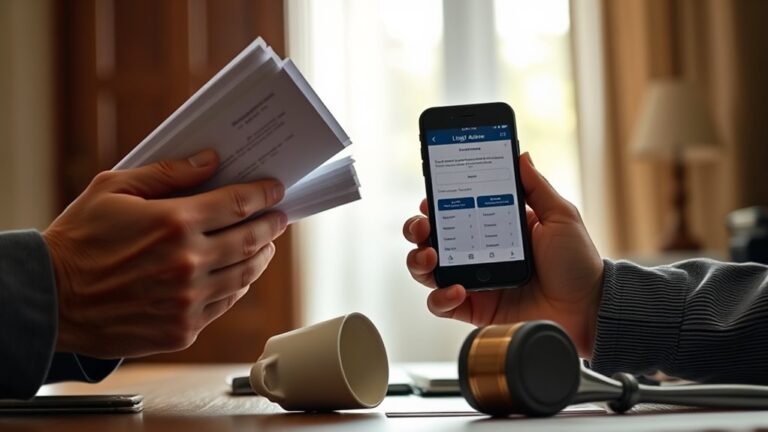




Negotiating contracts with confidence involves comprehending key principles such as preparation and effective communication. Clear objectives and thorough research on the opposing party are essential. Building rapport and trust promotes collaboration and eases tensions. Active listening and persuasive language help address objections and facilitate compromises. Finally, maintaining a focus on mutual interests can lead to successful closings and strong relationships. To further improve negotiation skills, one can explore additional strategies and techniques.
Understanding the Basics of Contract Negotiation
Although contract negotiation can seem intimidating, grasping its fundamental principles is essential for achieving favorable outcomes. At its core, contract negotiation involves comprehending the basic elements that form agreements. These contract fundamentals include clarity, mutual consent, and the specific terms that define obligations and rights for all parties involved.
Negotiation principles play an important role in this process, emphasizing the importance of preparation, communication, and strategy. Effective negotiators prioritize their objectives while remaining open to the perspectives of others, nurturing an environment of collaboration. They additionally recognize the significance of building rapport and trust, which can lead to more successful negotiations.
Preparing for the Negotiation Process
Effective preparation is essential for successful negotiation outcomes. This involves conducting thorough research on the opposing party to understand their motivations and constraints, in addition to clearly defining one's own objectives. By establishing these foundational elements, negotiators can approach discussions with greater confidence and clarity.
Research Your Opponent
Grasping the opponent is crucial in any negotiation. A thorough comprehension of the opponent's background can provide valuable insights into their motivations, priorities, and potential concessions. This knowledge aids negotiators in anticipating responses and tailoring strategies accordingly. Furthermore, recognizing the opponent's negotiation style—whether collaborative, competitive, or accommodating—can influence the approach taken in discussions. For instance, a competitive opponent may require more assertive tactics, whereas a collaborative one might benefit from a more cooperative stance. By researching these aspects, negotiators position themselves to engage effectively, nurturing an environment that encourages productive dialogue. In the end, this preparation empowers individuals to navigate the negotiation terrain with greater confidence and effectiveness, setting the stage for successful outcomes.
Define Your Objectives
Comprehending an opponent's background is only part of the negotiation preparation; defining clear objectives is equally important. Establishing contract priorities allows negotiators to navigate discussions effectively, ensuring that both parties reach a mutually beneficial agreement. Objective alignment is vital for promoting collaboration and minimizing conflict during negotiations.
To define objectives, one should consider the following:
- Essential Goals: Identify non-negotiable aspects that must be met.
- Flexible Terms: Determine areas where compromise is possible to facilitate agreement.
- Long-term Vision: Consider how the contract aligns with future goals and relationships.
Setting Clear Objectives and Goals
Clarity is paramount when setting objectives and goals in contract negotiations. Establishing clear objectives allows individuals to navigate the intricacies of negotiations with purpose and direction. Objective alignment guarantees that all parties grasp their respective aims, facilitating a collaborative atmosphere. By prioritizing goals, negotiators can focus on what is most important to them, avoiding distractions that may arise during discussions.
Effective goal prioritization helps in identifying which objectives are non-negotiable and which can be flexible, enabling a strategic approach. This process involves evaluating the significance of each goal in relation to the overall negotiation outcome. When objectives are clearly defined and prioritized, negotiators can communicate their needs more effectively, promoting mutual comprehension. In the end, setting clear objectives and goals not only boosts confidence in negotiations but also increases the likelihood of achieving favorable results for all parties involved.
Researching the Other Party
Although it may seem straightforward, researching the other party is an essential step in contract negotiations that can greatly influence outcomes. This process involves gathering valuable information that can shape strategies and improve confidence during discussions.
Effective research can reveal significant insights, such as:
- Financial Health: Comprehending their fiscal stability can inform risk assessments.
- Negotiation Style: Knowing their typical approach helps anticipate responses and counteroffers.
- Market Position: Conducting market research and competitor analysis reveals their strengths and weaknesses, enabling better positioning.
Building Rapport and Trust
Building rapport and trust is crucial in negotiations, as it lays the foundation for successful agreements. Establishing common goals, employing active listening techniques, and demonstrating empathy can greatly improve the negotiation process. These elements promote a collaborative environment that encourages open communication and mutual comprehension.
Establish Common Goals
Establishing common goals serves as a foundational element in contract negotiations, as it cultivates an environment of collaboration and mutual respect. When parties identify shared values, they nurture a collaborative mindset that encourages open dialogue and problem-solving. This approach not only improves relationships but likewise leads to more effective agreements.
Key benefits of establishing common goals include:
- Increased Trust: When both parties align on objectives, trust flourishes, reducing tension and promoting cooperation.
- Improved Commitment: A shared vision motivates each party to invest effort in achieving mutually beneficial outcomes.
- Greater Satisfaction: Successful negotiations rooted in common goals often result in higher satisfaction for all involved, creating a win-win scenario.
Active Listening Techniques
How can active listening transform the dynamics of contract negotiations? By promoting active engagement, negotiators can build rapport and trust, crucial elements for successful outcomes. Active listening involves fully concentrating on the speaker, ensuring that their needs and concerns are comprehended. This technique helps to identify potential listening barriers, such as distractions or preconceived notions, which can hinder effective communication. By addressing these barriers, negotiators can create an environment that encourages open dialogue and collaboration. As a result, both parties feel valued and heard, paving the way for mutually beneficial agreements. Emphasizing active listening not just improves comprehension but also strengthens relationships, making future negotiations smoother and more productive.
Empathy in Conversations
Empathy serves as a cornerstone in conversations, nurturing an environment where rapport and trust can flourish. By employing emotional intelligence and perspective taking, individuals can connect on a deeper level, enhancing negotiation outcomes. The importance of empathy in discussions can be summarized as follows:
- Strengthens Relationships: Genuine empathy cultivates connections that transcend transactional interactions.
- Facilitates Comprehension: By recognizing others' emotions, negotiators can identify shared interests and potential compromises.
- Encourages Open Dialogue: Acknowledging feelings creates a safe space for honest communication, minimizing defensiveness.
Incorporating empathy into conversations not just builds trust but also leads to more effective and harmonious negotiations. This approach transforms the negotiation process into a collaborative effort, eventually benefiting all parties involved.
Effective Communication Techniques
Effective communication techniques play a crucial role in successful contract negotiations. Mastering persuasive language allows negotiators to frame their arguments compellingly, influencing the other party's perspective. This involves using clear, assertive statements to express thoughts and positions effectively. Moreover, the strategic use of body language can greatly improve the negotiation process. Nonverbal cues, such as maintaining eye contact and using open gestures, convey confidence and engagement, nurturing a more receptive atmosphere.
Furthermore, adapting one's communication style to match the counterpart's can facilitate rapport, making it easier to reach mutual agreements. By combining persuasive language with supportive body language, negotiators can create an environment conducive to collaboration. This synergy not only strengthens their position but also promotes a positive dynamic, finally leading to more favorable outcomes in contract negotiations. Comprehending and implementing these techniques can empower individuals to negotiate with greater confidence and effectiveness.
Active Listening Skills
Active listening skills are vital for successful contract negotiations, as they enable negotiators to fully comprehend the other party's needs and concerns. By practicing active listening, negotiators can bridge communication barriers that often lead to misunderstandings. This skill cultivates a collaborative environment, making it easier to reach a mutually beneficial agreement.
To improve active listening, negotiators can focus on:
- Empathy: Grasping the emotions behind words can strengthen relationships and build trust.
- Clarification: Asking questions not merely shows engagement but also guarantees that all parties are on the same page.
- Non-verbal cues: Paying attention to body language can reveal unspoken feelings and intentions.
Identifying and Addressing Potential Objections
Grasping the other party's viewpoint lays the groundwork for identifying and addressing potential objections during contract negotiations. Effective objection handling begins with recognizing concerns that may arise regarding terms, pricing, or deliverables. By anticipating these objections, negotiators can prepare thoughtful counter arguments that demonstrate a comprehension of the other party's priorities.
Active engagement in dialogue allows negotiators to uncover underlying issues that may not be explicitly stated. This proactive approach cultivates a collaborative atmosphere, making it easier to explore solutions that satisfy both parties. When objections are addressed without delay, it mitigates misunderstandings and builds trust, which is essential for successful negotiations.
Ultimately, the ability to identify and respond to objections with confidence not only improves negotiation outcomes but also paves the way for a more amicable relationship moving forward. This prepares both parties for the next steps in the negotiation process, setting a positive tone for future interactions.
Strategies for Compromise and Concession
In negotiations, comprehending mutual interests is essential for achieving a successful compromise. Effective communication techniques can enable this process by ensuring that all parties feel heard and valued. By prioritizing these strategies, negotiators can nurture a collaborative environment that encourages concessions.
Understanding Mutual Interests
When negotiators recognize the importance of mutual interests, they lay the groundwork for effective compromise and concession. This comprehension nurtures a collaborative mindset, allowing parties to seek solutions that offer mutual benefits. By focusing on shared goals, negotiators can create an environment where both sides feel valued and heard.
Here are three strategies to guide this process:
- Identify common goals – Comprehending what both parties aspire to achieve can reveal overlapping interests.
- Be open to creative solutions – Embracing flexibility can lead to innovative compromises that satisfy everyone.
- Prioritize relationships – Building rapport encourages trust, making it easier to navigate concessions without resentment.
Ultimately, recognizing mutual interests transforms negotiations into partnerships rather than conflicts.
Effective Communication Techniques
Effective communication techniques play a vital role in facilitating compromise and concession during negotiations. To achieve successful outcomes, negotiators must be attuned to their body language, as it conveys confidence and openness. Maintaining eye contact and an open posture can promote trust and encourage collaboration. Furthermore, tone variation is significant; a calm and steady tone can diffuse tension, whereas varying intonation can emphasize key points effectively. Listening actively and acknowledging the other party's concerns demonstrates respect and willingness to find common ground. By employing these strategies, negotiators can create a constructive dialogue, paving the way for mutual comprehension and successful compromises. In the end, effective communication lays the foundation for achieving satisfactory agreements for all parties involved.
Closing the Deal: Finalizing the Agreement
Finalizing an agreement demands careful attention to detail and a strategic approach. It is vital to focus on closing strategies that guarantee both parties feel satisfied with the agreement terms. This phase sets the tone for a successful partnership, making it significant to address any lingering concerns as you remain open to adjustments.
To evoke a sense of commitment, consider these key aspects:
- Clarity: Make certain that all terms are explicitly defined and understood.
- Flexibility: Be willing to negotiate minor details for the sake of harmony.
- Confidence: Approach the closing with assurance, reinforcing the value of the agreement.
Reviewing and Understanding the Contract
How can one guarantee a thorough grasp of a contract before signing? A diligent review process is crucial. This involves carefully examining the document for any unfamiliar contract terminology that may obscure comprehension. Clarity is critical; thus, individuals should seek definitions for complex terms or phrases that could have significant legal implications.
Moreover, it is recommended to identify key components, such as obligations, rights, and potential penalties for non-compliance. Grasping these elements can prevent unintended consequences and guarantee that all parties are aware of their responsibilities.
Engaging a legal professional for an all-encompassing evaluation can additionally provide valuable insights, particularly regarding the contract's enforceability and any hidden risks. In the end, taking the time to thoroughly review and comprehend a contract cultivates informed decision-making, reducing the likelihood of disputes and enhancing confidence in the agreement.
Maintaining Relationships Post-Negotiation
Successful contract negotiation often sets the stage for long-term relationships between parties. Nevertheless, maintaining these relationships requires thoughtful post-negotiation follow-up strategies. By focusing on effective communication and relationship building, parties can cultivate trust and collaboration moving forward.
- Express gratitude: A simple thank you can go a long way in reinforcing positive interactions.
- Schedule regular check-ins: Ongoing communication helps address concerns and maintains rapport.
- Be responsive: Timely responses to queries and issues demonstrate commitment to the partnership.
Frequently Asked Questions
What Should I Wear to a Contract Negotiation Meeting?
When entering a contract negotiation meeting, one should view their attire as armor for the battlefield of business. Adhering to negotiation etiquette, it is crucial to wear appropriate business attire that conveys professionalism and confidence. A customized suit or a polished dress can create a strong first impression and promote respect among counterparts. In the end, the right clothing not just reflects competence but likewise sets the tone for a successful negotiation.
How Can I Handle a Difficult Negotiator Effectively?
Handling a difficult negotiator requires a strategic approach. Effective individuals often utilize active listening to fully comprehend the other party's concerns, which encourages a collaborative atmosphere. Furthermore, employing emotional intelligence allows one to remain calm and empathetic, even in challenging situations. By recognizing and addressing underlying emotions, they can defuse tension and steer the conversation toward a more productive outcome, eventually leading to more favorable terms for all involved.
What Are Common Pitfalls to Avoid During Negotiations?
In negotiations, several common pitfalls can undermine success. One major issue is allowing emotional triggers to influence decisions, which may lead to impulsive reactions. Furthermore, relying on ineffective negotiation tactics, such as aggressive or confrontational approaches, often backfires. Miscommunication can likewise arise from unclear objectives or assumptions about the other party's intentions. By recognizing these pitfalls, individuals can better navigate negotiations, nurturing a more productive and collaborative environment.
How Do Cultural Differences Affect Contract Negotiations?
Cultural differences in contract negotiations can be likened to a dance, where each partner brings their unique rhythm. These variations in cultural communication often shape negotiation styles, influencing how parties express themselves and interpret intentions. For instance, some cultures may prioritize directness, whereas others value indirect approaches. Comprehending these differences is essential, as it helps negotiators adapt their strategies, nurturing a more harmonious dialogue and increasing the likelihood of a successful agreement.
Can I Negotiate Contracts Without Legal Representation?
Negotiating contracts without legal representation is possible, but it requires a solid grasp of contract basics and effective negotiation tactics. Individuals must be well-versed in the terms and conditions involved, ensuring clarity in their objectives. Familiarity with common pitfalls and industry standards improves confidence. Although self-representation can save costs, it similarly demands thorough preparation and research to safeguard interests and achieve favorable outcomes in the negotiation process.