


To create a healthier home, begin by incorporating natural disinfectants such as vinegar sprays and aromatic oils into your cleaning routine. Identify hidden allergen triggers, including carpets, upholstered furniture, and moisture-prone areas, and address them through regular cleaning and mold prevention. Utilize air purification techniques like air purifiers and plants to reduce airborne pollutants, and employ dust control methods such as HEPA filters and allergy-resistant bedding. Implement germ-free kitchen necessities and bathroom hygiene strategies, like stainless steel appliances and microfiber cloths, to minimize germ transmission. Further strategies and tactics can help enrich your home’s overall health. Additionally, adopting effortless home cleaning secrets, such as decluttering regularly and using multipurpose cleaning solutions, can streamline your routine while maintaining a healthier environment. Keeping windows open for proper ventilation and opting for non-toxic cleaning products further enhances indoor air quality. By consistently applying these strategies, you can create a fresh, hygienic, and comfortable living space for your family.
Natural Disinfectants at Home
Natural Disinfectants at Home
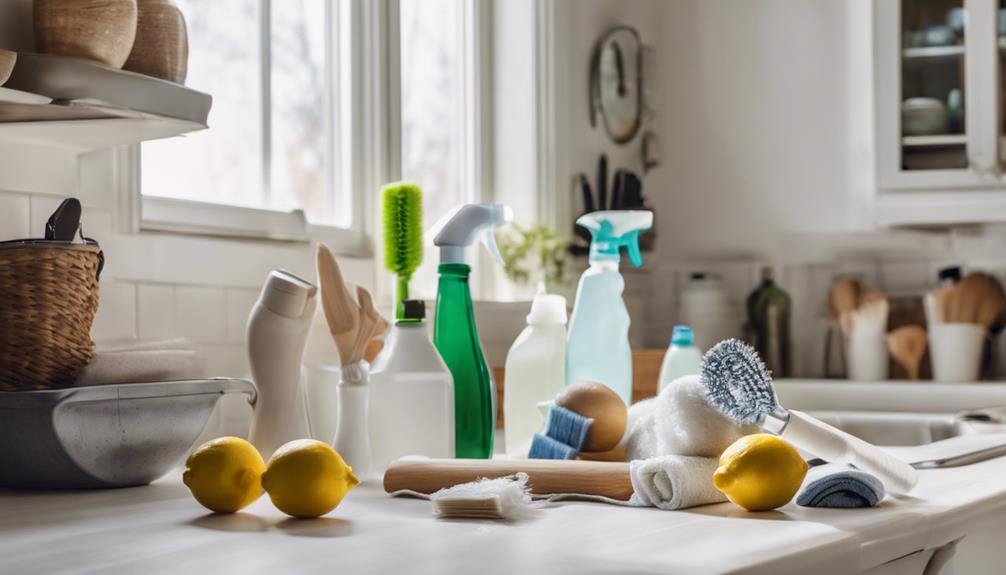
Many household staples double as effective natural disinfectants at home, allowing you to maintain a hygienic environment without relying on harsh chemicals. One versatile option is DIY vinegar sprays, which can be used to disinfect countertops, sinks, and floors. Simply mix equal parts water and white vinegar in a spray bottle, and you have a potent disinfectant that is also biodegradable and non-toxic.
Another effective natural disinfectant is citrus cleaning solutions, which utilize the antimicrobial properties of citrus fruits such as lemons and oranges. By mixing citrus juice with water and a touch of soap, you can create a potent cleaning solution that can be used to disinfect surfaces, remove stains, and eliminate odors. The acidity in citrus fruits also aids in dissolving dirt and grime, making it an effective cleaning agent.
In addition to DIY vinegar sprays and citrus cleaning solutions, other natural disinfectants at home include baking soda, hydrogen peroxide, and vital oils. These alternatives to harsh chemicals can help you maintain a clean and hygienic home without compromising your health or the environment. By incorporating these natural disinfectants into your cleaning routine, you can take charge of your home's cleanliness and create a healthier living space for you and your family. By making a few simple changes to your cleaning routine, you can empower yourself to create a cleaner, greener home.
Hidden Allergen Triggers
Frequently overlooked in everyday life, hidden allergen triggers can greatly impact indoor air quality and overall health. These triggers often reside in the most unlikely of places, making them difficult to detect and even more challenging to eliminate. Effective mold prevention and pet dander detection are necessary in minimizing the presence of hidden allergens.
Some common hidden allergen triggers include:
- Carpets and upholstered furniture: These can harbor allergens like dust mites, mold, and pet dander, which can become airborne and worsen respiratory issues.
- Moisture-prone areas: Bathrooms, kitchens, and laundry rooms can be breeding grounds for mold and mildew, which can spread allergens throughout the home.
- Pet areas: Pet beds, toys, and feeding areas can accumulate pet dander, which can become airborne and trigger allergic reactions.
- Indoor plants: While plants can purify the air, they can also collect allergens like dust and pollen, which can be released into the air.
- HVAC systems: Air conditioning and heating systems can harbor allergens like dust, mold, and pet dander, which can be circulated throughout the home.
To maintain a healthier home, it is essential to identify and address these hidden allergen triggers. Regular cleaning, mold prevention, and pet dander detection can greatly reduce the presence of allergens and improve indoor air quality. By taking proactive steps to eliminate these triggers, homeowners can create a healthier and more comfortable living environment.
Easy Air Purification Methods
Hidden Cleaning Tips for a Healthier Home
Simple Air Purification Tricks
Effective air purification techniques play a vital role in minimizing the impact of hidden allergen triggers on indoor air quality. A well-executed air purification plan can greatly reduce airborne pollutants, allergens, and bacteria, creating a healthier living space.
Two efficient methods of air purification are the use of plants and purifiers. Certain plants, like peace lilies and spider plants, have been proven to naturally cleanse the air by removing toxins and pollutants. Conversely, air purifiers are designed to trap microscopic particles, allergens, and pollutants, providing a cleaner breathing space. By combining plants and purifiers, homeowners can establish a complete air purification system.
Another approach to air purification involves the use of essential oils and diffusers. Specific essential oils, such as eucalyptus and lavender, have natural decongestant and anti-inflammatory properties that can help alleviate respiratory issues. By incorporating an essential oil diffuser into a room, homeowners can release these oils into the air, creating a healthier ambiance. Additionally, some air purifiers come with built-in diffusers, allowing homeowners to utilize the benefits of both air purification and aromatherapy. By incorporating these simple air purification techniques, homeowners can take a meaningful step towards a healthier and more comfortable living space.
Effective Dust Control Techniques
Effective dust control methods are crucial for maintaining a tidy and healthy home environment. Dust buildup impacts not just the visual attractiveness of your home but also poses health hazards, particularly for individuals with respiratory problems. Implementing effective dust control methods is vital for reducing these risks and ensuring a healthier living space.
Effective dust control methods involve a combination of preventive measures and routine cleaning practices. Some of the key strategies include:
- Using allergen-resistant bedding and mattress covers to avoid dust mite infestations
- Regularly washing and drying clothing, towels, and bedding in hot water to eliminate dust mites
- Employing a HEPA air purifier to eliminate airborne pollutants and allergens, such as pollen
- Vacuuming surfaces, especially carpets and upholstered furniture, with a vacuum cleaner equipped with a HEPA filter
- Moistening surfaces with a damp cloth to prevent dust from becoming airborne, making it simpler to clean and eliminate
Germ-Free Kitchen Essentials
At the core of a germ-free kitchen are a handful of important items that help reduce the risk of cross-contamination and maintain a clean environment. One such crucial is stainless steel appliances and utensils. Their non-porous surface makes it difficult for bacteria to cling to, thereby importantly decreasing the risk of germ transmission. Moreover, stainless steel is easy to clean and resistant to scratches, ensuring a hygienic cooking space.
Another integral component of a germ-free kitchen is the use of separate cutting boards for different types of food. This practice prevents cross-contamination, especially when handling raw meat, poultry, and seafood. Designating specific cutting boards for specific tasks can greatly minimize the risk of germ transmission. It is recommended to use separate cutting boards for raw meat, fruits and vegetables, and dairy products. Additionally, regular sanitizing of these cutting boards is important to prevent the buildup of bacteria.
Regular cleaning and sanitizing of kitchen utensils, appliances, and surfaces are necessary in maintaining a germ-free kitchen. A microfiber cloth and a mixture of soap and water can be used to clean and sanitize most kitchen surfaces. For tougher messes, a solution of equal parts water and white vinegar can be used to effectively sanitize and disinfect. By incorporating these important items and practices into your daily routine, you can significantly reduce the risk of cross-contamination and maintain a healthier kitchen environment.
Bathroom Hygiene Secrets
Maintaining a hygienic bathroom environment requires attention to often-overlooked areas and the implementation of targeted cleaning strategies. Effective bathroom cleaning involves more than just scrubbing the sink and toilet. To maintain a hygienic bathroom, it's essential to focus on areas that tend to harbor bacteria and germs, such as the shower walls and toilet handle.
Utilizing the right tools can make a significant difference in achieving a hygienic bathroom. A shower squeegee can help remove soap scum and mildew from shower walls, whereas a toilet brush should be used daily to remove any visible debris and prevent the buildup of bacteria.
To take your bathroom hygiene to the next level, consider implementing the following strategies:
- Use a bathroom cleaner that contains a disinfectant to eliminate bacteria and germs on surfaces
- Clean the bathroom exhaust fan to eliminate dust and debris that can spread germs
- Disinfect the toilet handle and surrounding areas after each use
- Use a microfiber cloth to clean bathroom surfaces, as they can pick up dirt and germs more effectively than traditional cloths
- Replace the toilet brush regularly to prevent the buildup of bacteria and germs
Frequently Asked Questions
How Often Should I Deep Clean My Home's Carpets and Upholstery?
Regular deep cleaning of carpets and upholstery is necessary for maintaining a hygienic and pristine living space. Carpet maintenance should be performed every 6-12 months, or more frequently in high-traffic areas, to remove embedded dirt and allergens. Upholstery care, conversely, depends on usage, with heavily used furniture requiring deep cleaning every 3-6 months. Professional cleaning or DIY methods can be employed to achieve best results and extend the lifespan of these crucial home components.
Can Pets Bring Allergens Into the Home From Outdoors?
Like silent gatekeepers, our pets unwittingly usher in unwelcome guests from the great outdoors. As they frolic and play outside, they collect pet dander and outdoor allergens, which are then tracked into our homes. These uninvited visitors can compromise indoor air quality, exacerbating respiratory issues. To maintain a healthy haven, it is essential to incorporate targeted cleaning products and regular grooming sessions into our pet care routine.
Are Scented Cleaning Products Worse for Indoor Air Quality?
Scented cleaning products pose significant concerns for indoor air quality. The fragrance dangers associated with these products can lead to health risks, particularly for individuals with respiratory issues. Volatile organic compounds (VOCs) emitted by scented cleaners can exacerbate indoor air pollution, contributing to symptoms such as headaches and allergic reactions. Opting for fragrance-free or alternative cleaning methods can help mitigate these risks and promote a healthier indoor environment.
How Do I Remove Stubborn Stains From Hardwood Floors?
Removing stubborn stains from hardwood floors requires effective methods that preserve the material's integrity. Steam cleaning is a viable option, as it sanitizes without chemicals, lifting dirt and grime. On the other hand, a vinegar solution (1 cup white vinegar per gallon of warm water) can be applied to the stain, left to sit, and then wiped clean with a microfiber cloth. Both methods are gentle yet effective, ensuring a pristine hardwood floor.
Are There Cleaning Tasks That Can Be Done During Pregnancy?
Removing a mountain of household chores from your plate during pregnancy can be a huge task. Yet, maintaining a clean home is important for a healthy environment. It is necessary to prioritize safe cleaning practices, focusing on non-toxic products and avoiding strong chemicals. Pregnancy precautions dictate minimizing exposure to harsh substances, so choose gentle cleansers and consider assigning tasks that involve heavy lifting or bending to guarantee a comfortable and healthy pregnancy.