



To capture stunning travel photos like a pro, focus on timing, composition, and light. Shoot during golden hours for soft lighting and consider using the rule of thirds for balanced shots. Don't hesitate to experiment with different angles to find unique perspectives. Engage with local culture for authentic moments, and invest in quality equipment for clarity. Finally, improve your images with editing software. You'll discover even more techniques that raise your photography!
Choose the Right Time of Day for Photography
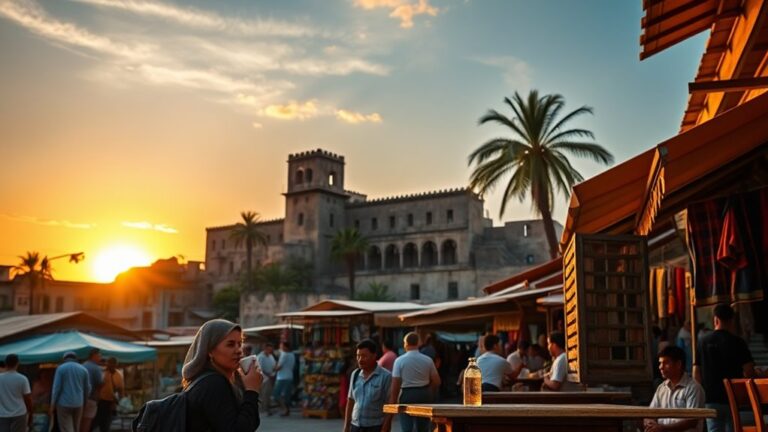
When you want to capture stunning travel photos, timing can make all the difference. The best shooting times often occur during the golden hours—shortly after sunrise and before sunset. During these times, the light softens, creating warm hues that breathe life into your images. You'll find that seasonal lighting can greatly improve your photos, too. For instance, autumn's lively foliage or spring's blooming flowers can transform ordinary scenes into extraordinary ones.
To make the most of your escapades, plan your outings around these moments. Don't shy away from exploring at different times of the day; sometimes, midday can surprise you with unique shadows and contrasts. Embrace the freedom of spontaneity in your travels, and don't forget to keep an eye on the weather. With the right timing, you'll uplift your photography and capture memories that truly reflect the essence of your expedition.
Understand Composition Techniques
To take your travel photos to the next level, perfecting composition techniques is crucial. By applying the Rule of Thirds, utilizing leading lines, and framing your subject effectively, you can create more engaging images. Let's explore these techniques and see how they can transform your photography.
Rule of Thirds
Grasping the Rule of Thirds can transform your travel photos from ordinary to extraordinary, as it encourages you to think critically about composition. By dividing your frame into nine equal parts, you create balance and guide the viewer's eye. Place key elements along these lines or at their intersections to improve photo symmetry.
| Element | Placement |
|---|---|
| Horizon | Top or Bottom Third |
| Subjects | Intersection Points |
| Foreground | Lower Third |
| Background | Upper Third |
| Details | Along Lines |
Utilizing the Rule of Thirds not merely adds depth but also helps in achieving composition balance. Break free from traditional centering, and let your creativity soar!
Leading Lines
Leading lines are strong tools in photography that naturally draw the viewer's eye toward the main subject, enhancing the overall composition. When you incorporate these lines, you create visual pathways that guide the viewer's gaze, making your travel photos more engaging. Look for roads, rivers, or architectural features that can serve as leading lines. Don't hesitate to experiment with perspective shifts; changing your angle can reveal new lines and add depth to your shots. Remember, the goal is to lead your audience through the image, inviting them to explore every corner. By perfecting leading lines, you'll transform ordinary scenes into fascinating stories, ensuring your travel memories are not just seen, but felt. Embrace this technique, and let your creativity soar!
Framing Your Subject
After perfecting leading lines, it's time to focus on framing your subject. Framing techniques can enhance your travel photos by guiding the viewer's eye directly to what matters. Here's how to master subject placement:
- Use natural elements like trees or arches to create borders.
- Experiment with foreground objects to add depth.
- Consider symmetry for a balanced look.
- Try unconventional angles for a fresh perspective.
Use Natural Light to Your Advantage
To capture stunning travel photos, utilizing natural light is key. The golden hour, just after sunrise or before sunset, offers soft, warm lighting that improves your images. Avoid harsh shadows by planning your shoots during these times for the best results.
Golden Hour Benefits
When you time your photography session during the golden hour, you utilize the magic of natural light to transform your images. This enchanting period, just after sunrise or before sunset, bathes your surroundings in a stunning glow. The soft light improves colors and adds depth, making your photos look professional. Here are a few benefits of shooting during this special time:
- Creates a warm, inviting atmosphere
- Softens shadows for a more flattering look
- Highlights textures and details beautifully
- Adds a dreamy quality to vistas and portraits
Embrace the freedom of exploring new places and capturing their essence in this golden light. You'll find that the results are simply breathtaking, elevating your travel photography to new heights.
Avoid Harsh Shadows
How can you guarantee your travel photos look their best? One key element is avoiding harsh shadows that can ruin an otherwise stunning shot. Embrace soft diffused light, which is often found during overcast days or early mornings when the sun is low. This type of light creates a gentle glow, enhancing your subjects and adding depth to your images.
When shooting, pay attention to shadow management; position yourself so that shadows fall behind your subjects or use natural reflectors like water or light-colored surfaces to bounce light back onto them. By perfecting these techniques, you'll capture lively, dynamic photos that truly reflect the freedom of your travels. So, grab your camera, step into the light, and let your creativity flow!
Experiment With Different Angles
Capturing stunning travel photos often hinges on your perspective, so don't shy away from experimenting with different angles. Embrace creative experimentation to find unique perspectives that enhance your shots. Remember, the world is your canvas, and each angle tells a different story.
- Get low to the ground for a dramatic view.
- Climb higher to capture sweeping scenery.
- Shoot from the side to highlight depth.
- Frame your subject through natural elements, like trees or doorways.
These tactics can transform ordinary scenes into extraordinary images. When you shift your viewpoint, you'll discover hidden details and fresh compositions. Don't hesitate to try unconventional angles; they might just lead you to your favorite shot. So grab your camera, step out of your comfort zone, and let your imagination guide you. Freedom in photography lies in the boldness of your vision—so go capture those unique perspectives!
Capture the Local Culture and People
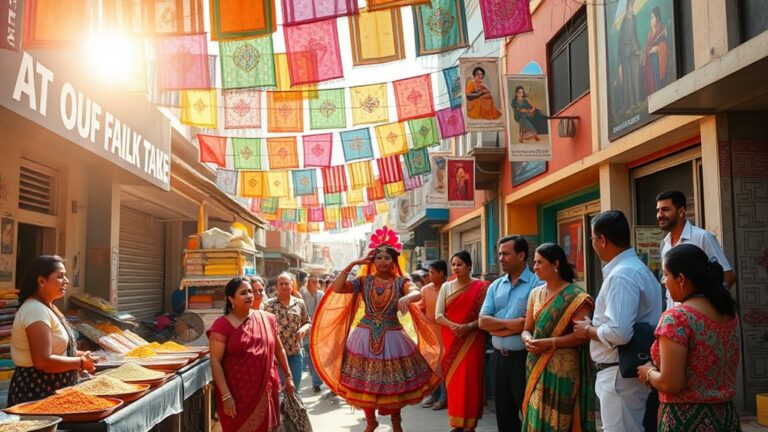
Shifting your focus from scenery to the lively fabric of local culture and people can improve your travel photography. Embrace the colorful spirit around you and look for candid moments that tell a story. Capture locals engaged in their daily routines, from artisans crafting beautiful goods to street vendors sharing their culinary delights. These genuine interactions reveal the heart of a destination.
Don't be afraid to engage in a cultural exchange; a friendly smile or a simple greeting can open doors to authentic experiences. Respect the people you photograph, and ask permission when necessary—this builds trust and can lead to even more engaging shots.
Explore busy markets, lively festivals, or serene moments in local parks, where you'll find a wealth of stories waiting to unfold. Remember, the essence of travel lies in connecting with others, and your camera can be an influential tool to celebrate those moments.
Invest in Quality Equipment
Investing in quality equipment can dramatically improve your travel photography. When you're capturing breathtaking views or lively street scenes, having the right tools makes all the difference. Focus on lens selection that suits your style, whether you prefer wide angles for sweeping vistas or telephoto for distant details.
Consider these fundamentals:
- A versatile camera body
- A selection of high-quality lenses
- A sturdy tripod for stability
- Extra batteries and memory cards
With the right gear, you can easily adjust your camera settings to adapt to varying light conditions, ensuring every shot is picture-perfect. Don't shy away from experimenting; the joy of travel photography lies in discovering new perspectives. By prioritizing quality equipment, you'll reveal your creative potential and capture stunning images that resonate with the freedom of exploration.
Edit Your Photos for Maximum Impact
Though you may have taken stunning photos during your travels, the editing process can improve them to a whole new level. Photo editing isn't just about filters; it's your chance to express the freedom you felt in those moments. Start with color correction to bring out the true essence of your images. Adjust brightness, contrast, and saturation to make your photos pop.
Here's a simple table to guide your editing process:
| Step | Action | Tool Suggestions |
|---|---|---|
| 1. Import | Upload your photos | Lightroom, Photoshop |
| 2. Crop | Frame your subject | Crop tool |
| 3. Color Correction | Adjust colors | Curves, HSL sliders |
| 4. Export | Save in high quality | JPEG, TIFF formats |
Embrace the editing adventure. It's where your travel stories come alive in vivid detail!
Tell a Story With Your Images
Editing your photos is just the beginning of bringing your travel experiences to life. To truly connect with your audience, focus on crafting a visual narrative that sparks curiosity and emotion. Think about the story behind each shot, and how it can resonate with others.
- Capture candid moments that reveal the essence of a place.
- Use composition to guide the viewer's eye through your story.
- Include details that evoke an emotional connection, like local customs or people.
- Experiment with angles and lighting to improve the mood.
Every image you take can transport someone to a different world. When you share your expedition, you're not just showing scenes; you're inviting others to feel what you felt. Let your photos narrate the adventure, and watch as they resonate with those who crave the freedom of exploration.
Practice, Practice, Practice
Even though you might feel hesitant at first, the key to capturing stunning travel photos lies in practicing consistently. Embrace the freedom that comes with experimentation. Set yourself photo challenges that push your creative boundaries. Try shooting in different lighting, angles, and settings to discover what excites you.
Skill development happens when you step out of your comfort zone. Don't shy away from mistakes; they're often your best teachers. Keep a journal of your experiences, noting what works and what doesn't.
Share your photos with friends or online communities to gather feedback, and don't forget to revisit your favorite spots to capture them anew.
The more you practice, the more your unique style will emerge, leading to stunning images that tell your travel story. So, grab your camera and get out there—your next great shot is waiting!
Frequently Asked Questions
What Camera Settings Are Best for Travel Photography?
When you're immersing yourself in travel photography, grasping camera settings is key. Try using aperture priority mode to control depth of field, allowing you to blur backgrounds and highlight your subject. Keep an eye on shutter speed, too; a faster speed freezes action, whereas a slower speed captures movement. Experiment with these settings, and you'll release your creativity, making your travel experiences even more memorable. Embrace the freedom to explore and capture the world!
How Can I Protect My Camera While Traveling?
To protect your camera during your travels, consider investing in camera insurance; it'll give you peace of mind against theft or damage. Additionally, don't forget about weather protection—use a rain cover or weather-sealed camera bag to shield your gear from the elements. By taking these simple steps, you can embrace your adventures freely, capturing every moment without worrying about your equipment. Enjoy the expedition knowing your camera's safe and sound!
Should I Shoot in RAW or JPEG Format?
Choosing between RAW and JPEG is like picking between a sturdy backpack and a sleek daypack. RAW offers advantages like greater editing flexibility and higher image quality, letting you mold your photos like clay. Conversely, JPEG provides convenience with smaller file sizes, perfect for quick sharing. If you want freedom in post-processing, go for RAW. But if you need speed and ease, JPEG might be your best bet.
How Do I Handle Low-Light Conditions?
When you're faced with low-light conditions, embrace the freedom of long exposure techniques. Set up your tripod to keep your camera steady, allowing light to gather and create stunning effects. Experiment with different shutter speeds to capture the magic of twilight or dimly lit streets. Don't rush; take your time to adjust settings for the best results. With patience and a steady hand, you'll transform those challenging moments into breathtaking images.
What Apps Are Best for Photo Editing on the Go?
In terms of mobile editing, you've got a treasure trove of options at your fingertips. Apps like Snapseed and Lightroom offer filter options that can enhance your photos in a snap. With a few taps, you can transform ordinary images into stunning visuals. Don't let poor lighting hold you back; these tools let you edit on the go, giving you the freedom to showcase your adventures without missing a beat.