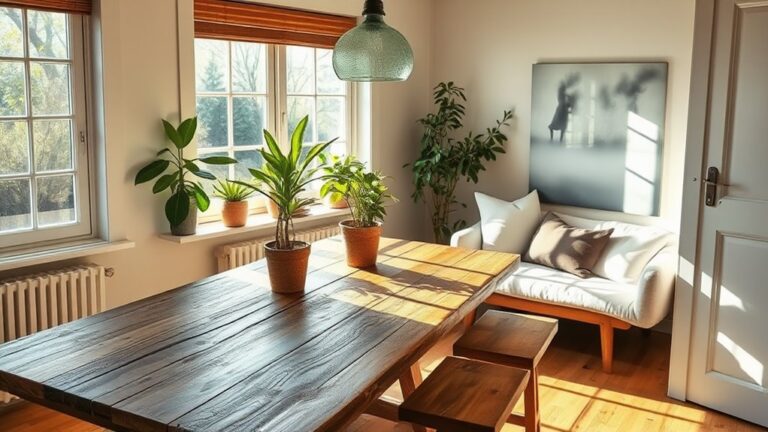




To design a kid-friendly home that grows with your family, start by evaluating your current and future needs, focusing on flexible living spaces. Choose durable, non-toxic materials for safety and easy maintenance. Create adaptable rooms and incorporate multifunctional furniture. Design a kid-friendly kitchen and personalize bedrooms for growth. Don't forget to implement safety features and engage your kids in the design process. Explore how to maximize outdoor spaces for play and relaxation to create a welcoming environment.
Assessing Your Family's Current and Future Needs
When you assess your family's current and future needs, you'll discover that planning ahead can make a big difference in your home design. Start by conducting a thorough family lifestyle assessment. Consider how your family interacts with each other and the spaces you currently inhabit. Are there areas that feel cramped or underutilized? Think about how your children will grow and how their activities will evolve, from playdates to study sessions.
Future proofing spaces is key here. Design flexible rooms that can adapt as your family changes. For example, a nursery can shift into a study room, or a play area can develop into a lounge. Create open layouts that invite collaboration and interaction, nurturing connections as your family expands or shifts. By anticipating these changes, you'll guarantee your home remains functional and stylish, accommodating your family's needs for years to come.
Choosing Durable and Safe Materials
When designing a kid-friendly home, choosing the right materials is essential for both safety and durability. You'll want to select non-toxic finishes, opt for stain-resistant fabrics, and prioritize scratch-resistant surfaces to keep your space looking great. By focusing on these elements, you'll create a welcoming environment that can withstand the wear and tear of family life.
Select Non-Toxic Finishes
Choosing non-toxic finishes is vital for creating a safe and inviting space for your kids, especially since many conventional materials can release harmful chemicals into the air. Opt for eco-friendly materials that prioritize both safety and durability. When selecting paints, go for child-safe options that are low in volatile organic compounds (VOCs) to minimize air pollution in your home. Look for finishes that are not just stylish but also easy to clean, ensuring your walls and surfaces can withstand the wear and tear of everyday life. By making these conscious choices, you're not merely protecting your children; you're also cultivating a healthier environment. Embrace innovation in design while keeping your family's well-being at the forefront of your decisions.
Opt for Stain-Resistant Fabrics
Creating a kid-friendly home doesn't stop at selecting non-toxic finishes; it furthermore involves choosing the right fabrics. Opt for stain-resistant materials that can withstand spills and messes, ensuring your space stays fresh and inviting. Look for innovative fabrics designed to repel stains, making fabric care a breeze. These materials not only save you time on clean-up but also maintain their lively appearance longer, even with daily wear and tear. From sofas to curtains, you can find stylish options that blend seamlessly with your decor as you prioritize practicality. By making smart choices now, you're setting the stage for a beautiful, resilient home that grows with your family, allowing you to focus more on creating memories and less on worrying about the inevitable spills.
Prioritize Scratch-Resistant Surfaces
To guarantee your home stands up to the rigors of family life, prioritize scratch-resistant surfaces that can handle everything from playful toddlers to energetic pets. By choosing innovative surface materials, you'll create a space that's both functional and stylish. Look for options that boast high scratch resistance, ensuring your home remains beautiful over time.
Consider these durable materials:
- Quartz countertops: Non-porous and highly resistant to scratches.
- Luxury vinyl flooring: Offers resilience and a variety of designs.
- Bamboo or hardwood with a protective finish: Combines beauty with durability.
- Protective coatings for furniture: Prevents scratches as well as enhancing aesthetics.
Creating Flexible Living Spaces
As you might envision a home designed solely for playtime, flexible living spaces can effortlessly adapt to your family's ever-changing needs. By embracing open floor plans, you promote a seamless flow between rooms, encouraging interaction and creativity. These layouts provide the perfect backdrop for everything from family game nights to quiet study sessions.
Consider incorporating movable furniture and multifunctional pieces, like a fold-out table or a cozy nook that transforms into a play area. This adaptability guarantees that your space can evolve as your children grow, making it both practical and fun.
Adding partition screens or sliding doors allows you to create a sense of privacy when necessary, yet still retaining the open feel. With innovative design choices like these, your home can remain dynamic, inviting, and ready for whatever your family dreams up next. Embrace flexibility, and watch your living spaces thrive with your family.
Designing a Kid-Friendly Kitchen
When designing a kid-friendly kitchen, it's essential to prioritize safety and accessibility while encouraging your little ones' culinary curiosity. A well-organized kitchen not only streamlines meal prep but additionally promotes independence in your kids. Here are some innovative ideas to contemplate:
- Lower cabinets: Install pull-out drawers for easy access to pots, pans, and utensils.
- Kid-sized tools: Provide age-appropriate kitchen tools that fit their small hands, making cooking fun and safe.
- Clear containers: Use transparent storage for snacks and ingredients, promoting self-serve options.
- Creative zones: Designate specific areas for kids to help with meal prep, ensuring they feel involved and valued in the cooking process.
Incorporating Multi-Functional Furniture
Creating a kid-friendly kitchen can set the stage for a home where multi-functional furniture truly shines. By choosing innovative pieces, you can maximize space and functionality. Consider storage ottomans that not only provide extra seating but also hide toys and other necessities, keeping clutter at bay. These versatile pieces allow your living areas to adapt as your family grows.
Convertible cribs are another game-changer. They shift from a crib to a toddler bed, accommodating your child's needs without requiring constant replacements. This adaptability saves money and reduces waste.
Incorporating these elements in your home design encourages a seamless blend of style and practicality. With multi-functional furniture, you're not merely creating a space for today; you're investing in a home that evolves with your family's lifestyle, making it a smart, sustainable choice for modern living. Embrace innovation and watch your home transform!
Planning for Play Areas
Designing play areas that cater to your child's needs is crucial for nurturing creativity and encouraging active play. Whether your little ones are engaged in indoor activities or exploring outdoor adventures, these spaces should be versatile and stimulating. Here are some innovative ideas to take into account:
- Flexible layouts: Use movable furniture to adapt spaces for different play styles.
- Natural elements: Incorporate plants or natural light to promote a connection with the outdoors.
- Interactive features: Add chalkboards, climbing walls, or sensory tables to spark imagination.
- Safety-first design: Guarantee soft surfaces and rounded edges to create a worry-free environment.
Establishing Zones for Different Activities
Establishing distinct zones for different activities can transform your home into a lively environment that supports your child's growth and development. By creating specific activity zones, you encourage your little ones to engage in various tasks, from imaginative play to focused learning. Consider setting up a colorful corner filled with art supplies to spark creativity, or a cozy reading nook for quiet time.
These creative spaces not just cater to your child's interests but also help them understand the purpose of each area. Designate a play zone with soft mats for active play, and a homework zone equipped with vital tools for studying. By clearly defining these areas, you're nurturing independence and helping your child thrive. Plus, you'll enjoy a more organized home, as each activity zone has its designated spot. Embrace the innovation of a customized environment that grows with your family's needs.
Utilizing Vertical Space for Storage
Even though it might seem like you're running out of space, utilizing vertical space for storage can dramatically declutter your home and provide easy access to your child's belongings. By implementing innovative vertical storage solutions, you can maximize every inch of your living area. Wall mounted shelves are a fantastic way to display books, toys, and art, keeping them off the floor and organized.
Consider these ideas to improve your vertical storage:
- Install wall-mounted shelves in playrooms for easy access to toys.
- Use tall bookshelves that reach the ceiling for books and decor.
- Incorporate pegboards in craft areas to hang supplies and tools.
- Add hooks or racks for backpacks and jackets by the door.
Personalizing Bedrooms for Growth
When personalizing your child's bedroom, consider flexible furniture options that adapt as they grow. Themed decor can spark their imagination as well as allowing for easy updates down the line. Don't forget to create personal space that reflects their interests and offers a cozy retreat for relaxation and play.
Flexible Furniture Options
Creating a bedroom that grows with your child is easier than ever with flexible furniture options. By choosing adaptable pieces, you can guarantee their space evolves alongside their needs and interests. Consider incorporating innovative designs that provide both functionality and style.
- Modular seating: Rearrangeable configurations that suit playdates or quiet reading.
- Convertible tables: Easily adjust from study to play, accommodating various activities.
- Lofted beds: Maximize floor space for play or study areas underneath.
- Storage solutions: Smart organizers that keep things tidy as they adapt to changing storage needs.
These choices not only improve usability but also inspire creativity, making a personalized sanctuary that can transform as your child grows.
Themed Decor Choices
Personalizing your child's bedroom with themed decor can make their space feel truly special and unique. Embrace whimsical themes that spark creativity—think outer space, enchanted forests, or underwater adventures. These lively designs can transform their room into a magical retreat. Incorporate educational decor, like world maps or alphabet murals, to inspire learning and curiosity. This approach not only enhances the space but additionally promotes growth and exploration. As your child matures, you can easily adapt the decor by swapping artwork or bedding, keeping the theme fresh and relevant. By blending fun and education, you'll create a nurturing environment that evolves with your child's interests, ensuring their bedroom remains a cherished haven throughout the years.
Personal Space Considerations
As your child grows, their bedroom should reflect their evolving needs and interests, providing a sanctuary that feels uniquely theirs. To create a personalized space, consider incorporating designated areas that cater to different activities, making the room both functional and fun.
- Use creative storage solutions like under-bed bins or wall-mounted shelves to maximize space.
- Designate a cozy reading nook with comfortable seating and good lighting.
- Create an art corner with supplies easily accessible, encouraging creativity.
- Include a growth chart or wall decals that can be updated with their interests over time.
Implementing Safety Features Throughout the Home
In the process of designing a kid-friendly home, it's essential to prioritize safety features that protect your little ones from potential hazards. Start with childproofing strategies like corner guards on sharp furniture edges and outlet covers to prevent accidents. Incorporating safety technology can enhance your home's protective measures. For instance, smart locks on cabinets can keep dangerous items out of reach, and motion-sensor lights illuminate dark areas, reducing trip hazards.
Consider using non-toxic materials and finishes to create a healthier environment. Install safety gates at stairways and doorways to keep adventurous toddlers contained. Moreover, automated window locks can prevent falls while allowing fresh air inside.
Engaging Kids in the Design Process
After ensuring safety features are in place, it's time to get your kids involved in the design process. Their input not only encourages creativity but likewise helps you understand their design preferences. Engaging them promotes a sense of ownership over their space, making it more enjoyable for everyone.
Consider these strategies for effective kid involvement:
- Host a Design Workshop: Gather materials like magazines, markers, and fabric swatches to create vision boards.
- Use Interactive Tools: Leverage apps or websites that allow kids to experiment with layouts and colors.
- Incorporate Their Ideas: Ask them to choose colors or themes for their rooms, ensuring their personalities shine through.
- Make It Fun: Turn the process into a game, rewarding their participation with small incentives.
Embracing Outdoor Spaces for Play and Relaxation
Creating outdoor spaces for your kids can transform how they play and unwind. By designing play zones, incorporating natural elements, and using flexible furniture, you can make your yard a fun and relaxing retreat. Let's explore how to turn your outdoor area into a kid-friendly paradise.
Design Play Zones
Designing play zones in your outdoor spaces can transform your home into a haven for fun and relaxation. By thoughtfully integrating areas for play, you can encourage your kids to embrace the outdoors as you keep your indoor areas clutter-free. Consider these innovative ideas:
- Create a mini indoor playground with portable equipment that can be easily stored away.
- Use creative storage solutions to keep toys organized and accessible in your outdoor zones.
- Designate specific areas for arts and crafts, encouraging creativity amidst nature.
- Incorporate comfortable seating for parents to relax during supervision of play.
With these elements, your outdoor spaces can become lively play zones that grow with your family, nurturing joy and connection.
Incorporate Natural Elements
During integrating natural elements into your home design, you can effortlessly create inviting outdoor spaces that encourage both play and relaxation. Consider incorporating large windows to maximize natural light, blurring the line between indoors and outdoors. Use lively indoor plants to improve air quality and add a splash of color.
| Element | Benefits |
|---|---|
| Large Windows | Maximizes natural light |
| Indoor Plants | Improves air quality |
| Outdoor Seating | Offers relaxation for all ages |
| Natural Materials | Provides warmth and comfort |
| Greenery | Encourages outdoor play and exploration |
Flexible Furniture Solutions
During balancing play and relaxation in your outdoor spaces, flexible furniture solutions can transform your home into a haven for both kids and adults. By incorporating modular seating and convertible tables, you can effortlessly adapt your environment to suit various activities and moods.
- Create cozy corners for reading or playtime with modular seating.
- Use convertible tables for arts and crafts or outdoor dining.
- Easily rearrange furniture to accommodate friends or family gatherings.
- Add storage options to keep outdoor areas tidy and organized.
With these innovative solutions, you can maximize your outdoor spaces' potential, ensuring they're functional yet inviting. Embracing flexibility in design empowers you to create an engaging environment that evolves with your family's needs.
Frequently Asked Questions
How Can I Involve My Kids in Decorating Their Rooms?
Envision your kids as little artists, painting their world with lively colors and wild ideas. Involve them in creative collaboration by brainstorming room themes together. Let them choose colors, patterns, and decor that speak to their imaginations. You could create a mood board with swatches and pictures, turning their dreams into reality. As they immerse themselves in decorating, they'll feel empowered, and their unique styles will shine through, making the space truly theirs.
What Are Some Budget-Friendly Ideas for Kid-Friendly Home Design?
When designing a kid-friendly home on a budget, think outside the box! You can create DIY storage solutions using repurposed crates or colorful bins to keep toys organized and accessible. Consider multi-purpose furniture, like a bench that doubles as storage or a table that transforms into a craft station. These innovative ideas not merely save money but additionally make the space functional and fun for your kids, adapting as they grow.
How Do I Choose Colors That Appeal to Both Kids and Adults?
Did you know that 85% of consumers make purchase decisions based on color? When choosing colors that appeal to both kids and adults, consider color psychology. Opt for neutral palettes as your base, then add lively accents to stimulate creativity without overwhelming. Balance playful hues with sophisticated tones, ensuring the space feels inviting for everyone. Experiment with combinations that spark joy and curiosity, creating a harmonious environment that grows with your family's changing tastes.
What Features Should I Prioritize for Baby-Proofing My Home?
When baby-proofing your home, prioritize features that guarantee safety and convenience. Install safety gates to block off stairs and hazardous areas, keeping your little one secure as they explore. Don't forget outlet covers to prevent curious fingers from accessing electrical outlets. Furthermore, consider rounded furniture edges and secure heavy items to walls, creating a stylish yet safe environment. These innovative safety measures will help you enjoy peace of mind as your child grows.
How Can I Easily Update My Home as My Kids Grow?
Envision your home as a chameleon, effortlessly adapting to your kids' changing needs. You can easily update your space by investing in flexible furniture that transforms with them, like modular seating or adjustable tables. Embrace seasonal decor to refresh the atmosphere; swap out colorful cushions or playful wall art as your children's interests evolve. This way, your home becomes a canvas, reflecting their expedition as it remains stylish and functional throughout the years.