



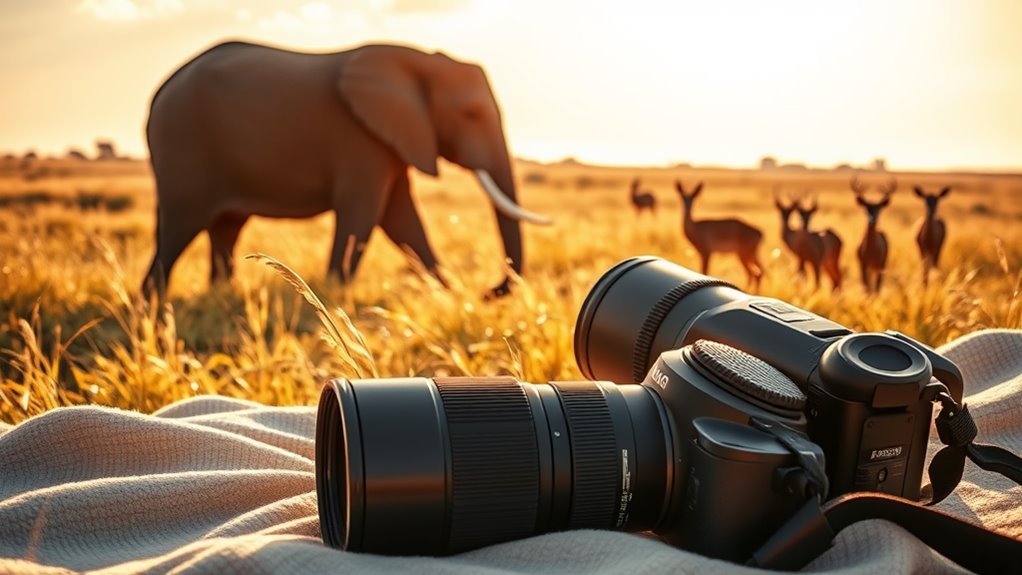
To experience wildlife safely and ethically, start by grasping animal behavior and their habitats. Choose responsible tours that prioritize conservation and don't exploit animals. Always maintain a safe distance using binoculars or zoom lenses, and respect local regulations regarding wildlife interactions. Minimize your environmental impact by sticking to marked trails and using eco-friendly products. Finally, support conservation efforts to guarantee these animals thrive. There's much more to discover about enhancing your wildlife experience responsibly.
Understand Wildlife Behavior and Habitats
When you venture into nature, grasping wildlife behavior and habitats is fundamental for a safe and ethical experience. You'll find that comprehension of how animals communicate can deepen your connection with the environment. Watch for body language, vocalizations, and even scent markings; these cues reveal their emotions and intentions. By recognizing these signals, you can avoid startling animals and respect their space.
Moreover, perceiving the significance of habitat preservation is important. Each ecosystem plays a key role in maintaining balance, and when you appreciate this, you'll feel empowered to protect it. Choose trails that promote conservation and leave no trace behind. By doing so, you contribute to the well-being of wildlife and their homes. So, as you explore, keep your eyes and ears open to the wonders around you. Embrace the freedom of nature as you ensure you engage with it ethically and responsibly.
Choose Responsible Wildlife Tours and Guides
When you choose a wildlife tour, it's essential to research the operators you're considering. Check their certifications and licenses to guarantee they follow ethical practices in wildlife tourism. By selecting responsible guides, you'll contribute to the conservation of habitats and animals.
Research Tour Operators
Choosing the right tour operator can make all the difference in your wildlife experience, so it's essential to research and select guides who prioritize ethical practices. Look for operators that emphasize sustainable methods, like using eco-friendly transportation, which minimizes your carbon footprint as you explore nature freely. Check their commitment to wildlife photography that respects animal habitats and behavior, ensuring you're not disturbing the wildlife. Read reviews and ask questions about their policies on animal interactions and conservation efforts. A responsible operator won't just show you the sights; they'll educate you about the ecosystem and the importance of protecting it. By doing your homework, you can enjoy your adventure while supporting ethical tourism.
Check Certifications and Licenses
One of the simplest ways to guarantee you're choosing a responsible wildlife tour is to check the certifications and licenses of the operators and guides. Look for wildlife accreditation from recognized organizations—this shows their commitment to ethical practices. By ensuring tour compliance with local regulations, you can feel confident that the experience respects both wildlife and their habitats.
Don't hesitate to ask tour operators about their credentials; responsible guides will be proud to share this information. Prioritizing these factors not just improves your adventure but also supports the well-being of the wildlife you're enthusiastic to encounter. In the end, you're choosing a experience that aligns with your values of freedom and respect for nature.
Read Ethical Practices
Grasping ethical practices is crucial for selecting responsible wildlife tours and guides that prioritize the well-being of animals and their habitats. When you're out there capturing stunning wildlife photography or engaging in animal tracking, you want to verify the experiences you choose respect nature. Look for guides who follow strict ethical guidelines, like minimizing disturbance to wildlife and maintaining a safe distance. Research their practices—do they avoid overcrowding sensitive areas? Are they committed to conservation efforts? By selecting tours that prioritize ethical treatment, you not just improve your adventure but additionally contribute to the preservation of these magnificent creatures. Embrace your freedom to explore while confirming that your choices support a healthy environment for wildlife.
Maintain a Safe Distance From Animals
When observing wildlife, maintaining a safe distance from animals is crucial for both your safety and their well-being. When you're out in nature, keep in mind that wild animals can be unpredictable. Use observation techniques that allow you to appreciate their beauty without encroaching on their space. Bring a good pair of binoculars or a zoom lens for your camera to capture stunning animal photography from afar. This way, you can still get those breathtaking shots during your time spent keeping the wildlife calm and undisturbed.
Follow Local Regulations and Guidelines
When you're out enjoying wildlife, it's essential to understand local laws that protect both animals and their habitats. Make sure you know the guidelines about how close you can get to wildlife, as these distances are in place for your safety and theirs. Respecting these regulations not just keeps you safe but additionally helps preserve the natural environment for future generations.
Understand Local Laws
Grasping local laws is crucial for anyone looking to engage with wildlife responsibly. It's not merely about the thrill of the experience; comprehending wildlife regulations can keep you and the animals safe. Each region has its own rules, and you don't want to accidentally cross a line that could harm wildlife or land you in trouble. Always check if you need legal permits for activities like photography, fishing, or camping in sensitive areas. By doing your homework, you're not just respecting the environment but also ensuring your freedom to explore isn't curtailed by fines or penalties. So, take the time to know the laws, and enjoy your wildlife adventures to the fullest, knowing you're doing it right!
Respect Wildlife Distances
Comprehending the importance of maintaining a safe distance from wildlife is vital for both your safety and the animals' well-being. When you're out there capturing stunning wildlife photography or engaging in animal tracking, remember to respect the boundaries that keep you and the animals safe. Each species has a different comfort zone, and approaching too closely can lead to stress or dangerous encounters. Always follow local regulations and guidelines; they're designed to protect both you and the wildlife. Use your camera's zoom feature to get those breathtaking shots without intruding on their space. By respecting wildlife distances, you're not just ensuring your own freedom, but additionally helping preserve the natural behaviors of the animals you admire. Enjoy the wild responsibly!
Minimize Your Environmental Impact
While appreciating wildlife can be exhilarating, it's crucial to tread lightly to protect the habitats we cherish. You can make a difference by adopting sustainable practices in your adventures. Choose eco-friendly options, like using reusable water bottles and biodegradable products, to keep nature clean and minimize waste. Stick to marked trails to avoid trampling delicate ecosystems and respect local flora and fauna.
When it comes to transportation, consider carpooling or using public transport to reduce your carbon footprint. If you're camping, follow guidelines for Leave No Trace to guarantee you leave the environment as you found it. Supporting local businesses that prioritize sustainability likewise amplifies your positive impact.
Support Conservation Efforts and Organizations
Supporting conservation efforts and organizations is crucial if you want to make a lasting impact on wildlife preservation. By backing these initiatives, you're not just donating money; you're fueling conservation funding that enables research, habitat restoration, and species protection. Every dollar counts, and your contributions can help create a world where wildlife thrives.
Engaging with organizations likewise opens doors to wildlife education. You'll gain insights into the challenges animals face and the steps needed to protect them. This knowledge empowers you to advocate for change in your community and beyond.
Consider volunteering your time or spreading the word about conservation efforts. Your passion can inspire others to join the movement and support ethical wildlife experiences. Remember, when you invest in conservation, you're investing in freedom for our planet's diverse creatures, ensuring they continue to roam wild and free for generations to come.
Frequently Asked Questions
What Should I Do if I Encounter a Wild Animal Unexpectedly?
If you encounter a wild animal unexpectedly, stay calm and assess the situation. Don't approach or provoke it; instead, give it space to move away. Make yourself appear larger by raising your arms, and back away slowly during avoiding sudden movements. Remember, wild animal safety is essential; respect their territory. If the animal seems aggressive, find a safe spot and wait until it leaves. Always prioritize your safety in unexpected wildlife encounters.
Can I Take Photos of Wildlife Without Disturbing Them?
Absolutely, you can take photos of wildlife without disturbing them! To practice ethical wildlife photography, keep your distance and use a zoom lens to capture amazing shots. Pay attention to the animal's behavior; if it seems stressed, back off. Stay quiet and patient, allowing nature to unfold. Remember, the goal is to appreciate wildlife in its habitat without interfering. This way, you can enjoy your freedom as you respect their space and well-being.
Are There Specific Times of Year for Better Wildlife Viewing?
Yes, there are specific times of year that offer better wildlife viewing opportunities. For instance, spring and fall often coincide with migration patterns, making it easier for you to spot birds and other animals on the move. Furthermore, observing seasonal behaviors, like mating or foraging, can improve your experience. If you plan your outings around these times, you'll enjoy the freedom of witnessing nature's dynamic rhythms up close.
How Do I Report Illegal Wildlife Activities or Poaching?
When you witness illegal wildlife activities, it's like spotting a thief in the night—urgent action is needed. To report poaching or violations of wildlife laws, use local hotlines or wildlife agencies. Many organizations offer anonymous reporting methods, ensuring your safety and the protection of wildlife. Your voice can be a significant tool for change, so don't hesitate to speak up. Together, we can keep nature thriving and free from harm.
What Gear Is Essential for Ethical Wildlife Watching?
When you're gearing up for ethical wildlife watching, focus on the fundamentals. A good pair of binoculars, like compact or zoom types, improves your viewing experience without disturbing animals. Don't forget ethical clothing; opt for earth-toned, breathable fabrics to blend into nature and stay comfortable. With the right gear, you can enjoy the freedom of observing wildlife as you ensure you respect their space and habitat. Embrace the adventure responsibly!