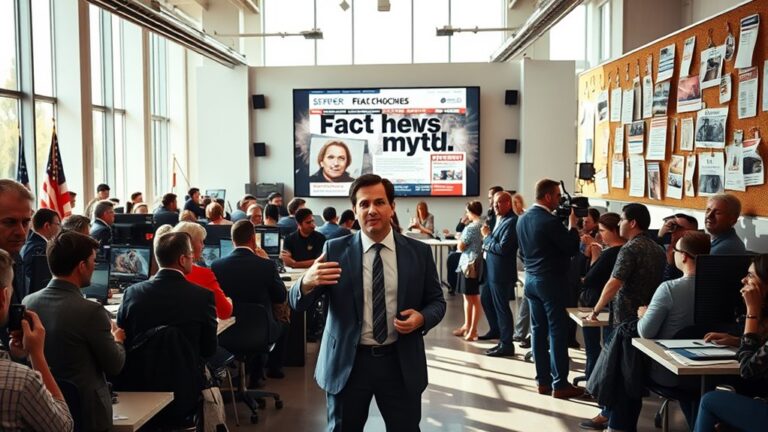




This year's most eye-opening investigative reports have exposed critical issues impacting society. Environmental disasters have been linked to inadequate policies and corporate negligence. Political corruption scandals revealed misuse of public funds and voter suppression tactics. Human rights abuses in conflict zones highlight the plight of civilians. Furthermore, the opioid crisis investigation uncovered the pharmaceutical industry's role. These reports draw attention to urgent matters, suggesting that there is much more to uncover about these pressing challenges.
Uncovering the Truth Behind Environmental Disasters
Although environmental disasters often capture headlines, the deeper truths behind these events frequently remain obscured. Investigative reports reveal that inadequate environmental policy often lays the groundwork for these calamities. When regulations are poorly enforced or non-existent, companies may prioritize profits over safety, leading to devastating outcomes.
Disaster accountability remains a vital issue, as affected communities struggle to hold corporations and governments responsible for their failures. Many reports highlight how transparency in environmental practices is often lacking, making it challenging for the public to understand the risks involved.
Furthermore, the interplay between corporate interests and political decisions can prevent meaningful reforms, perpetuating a cycle of neglect. By bringing these issues to light, investigative journalism serves as an essential tool in advocating for stronger environmental policies and greater accountability, ultimately aiming to protect both communities and ecosystems from future disasters.
Political Corruption: a Deep Dive Into Scandals
Though political corruption has plagued societies throughout history, its most egregious scandals often reveal the intricate web of deceit and manipulation that undermines public trust. Investigative reports have uncovered numerous instances where the lack of political accountability has led to significant scandal repercussions.
Key examples of political corruption include:
- Bribery and Kickbacks: Officials accepting money in exchange for favors.
- Misuse of Funds: Public resources diverted for personal gain.
- Election Fraud: Manipulation of electoral processes to maintain influence.
- Nepotism: Favoring family or friends in government contracts and positions.
These scandals not only erode confidence in governance but likewise highlight the urgent need for reforms that promote transparency and accountability. The consequences of these actions ripple through society, prompting citizens to demand stronger mechanisms to hold their leaders accountable, thereby reinforcing the principles of democracy.
The Dark Side of Big Tech: Privacy Violations Exposed
As society increasingly relies on technology for daily interactions, the darker aspects of Big Tech's influence on privacy have come to light. Investigative reports reveal significant concerns over data privacy violations, where user consent is often overlooked in the name of profit. Surveillance capitalism thrives as companies exploit users' digital footprints to create targeted advertising strategies, raising ethical questions about social media practices. Algorithm bias further complicates these issues, resulting in discriminatory outcomes for vulnerable populations. High-profile data breaches have exposed personal information, highlighting the urgent need for tech accountability. Consumers, now more aware of these risks, demand transparency and strong protections against privacy infringements. The growing dialogue around social media ethics and consumer awareness underscores the necessity for reform, pushing for regulations that prioritize user rights and safeguard against the manipulative tactics employed by some of the largest tech corporations.
Human Rights Abuses in Conflict Zones
As the world grapples with the impacts of conflict, human rights abuses in war-torn regions continue to emerge as a pressing concern that demands urgent attention. Investigative reports reveal alarming patterns of human rights violations, often perpetrated by various factions involved in conflicts. These violations underscore the need for robust conflict zone accountability mechanisms.
Key findings from recent investigations include:
- Targeted Attacks: Civilians are frequently the victims of deliberate assaults, including bombings and shootings.
- Sexual Violence: Reports indicate a disturbing rise in sexual violence as a weapon of war.
- Displacement: Millions are forcibly displaced, leading to humanitarian crises and refugee situations.
- Suppression of Dissent: Governments and militant groups often suppress free speech and dissent, further exacerbating human rights issues.
Addressing these abuses is essential for restoring peace and upholding the dignity of affected populations.
Investigating the Opioid Crisis: Who's to Blame?
The opioid crisis has raised critical questions about accountability among various stakeholders. Investigations point to pharmaceutical companies for their aggressive marketing, whereas additionally scrutinizing the ethics of prescribing practices and the failures of government regulations. Comprehending these interconnected factors is fundamental to uncovering the root causes of this public health emergency.
Pharmaceutical Companies' Responsibility
How did pharmaceutical companies become entwined in one of the most devastating public health crises in recent history? Investigations reveal a troubling pattern of corporate ethics overshadowing drug safety, leading to a profound impact on communities. Key findings indicate:
- Aggressive Marketing: Companies promoted opioids as safe and effective, downplaying risks.
- Inadequate Oversight: Regulatory bodies struggled to keep pace with rapid drug approvals.
- Profit-Driven Decisions: Financial incentives often prioritized profits over patient welfare.
- Lack of Transparency: Many companies failed to disclose critical safety data, eroding public trust.
These factors illustrate the complex role pharmaceutical companies played in fueling the opioid epidemic, raising urgent questions about accountability and the ethical responsibilities of the industry.
Prescribing Practices and Ethics
Numerous studies have highlighted the critical role of prescribing practices in the escalation of the opioid crisis, revealing a terrain marred by ethical dilemmas and systemic failures. Ethical prescribing involves a careful assessment of patient needs, balancing effective pain management with the risks associated with opioid use. Yet, many healthcare providers have faced pressure to prescribe opioids without fully considering alternative treatments or the long-term implications for patients. Additionally, issues surrounding patient consent often arise, as patients may not be adequately informed about the risks of addiction. This lack of transparency compromises the integrity of the physician-patient relationship and exacerbates the crisis. Ultimately, addressing these ethical concerns is crucial in mitigating the ongoing opioid epidemic and protecting vulnerable individuals.
Government Regulation Failures
Government regulation has played a notable role in shaping the terrain of the opioid crisis, often failing to implement effective safeguards against the rampant over-prescription and misuse of these potent substances. The lack of robust regulatory oversight and compliance failures have contributed greatly to the ongoing epidemic. Key factors include:
- Inadequate Monitoring: Regulatory agencies have struggled to track prescription practices effectively.
- Weak Enforcement: Insufficient penalties for non-compliance have led to lax adherence to guidelines.
- Ambiguous Guidelines: Vague regulations have left room for interpretation, enabling misuse.
- Pharmaceutical Influence: Lobbying efforts by drug companies have undermined regulatory authority.
These shortcomings highlight the urgent need for thorough reforms to address the systemic failures that have exacerbated the opioid crisis.
The Hidden Cost of Fast Fashion
As consumers often revel in the affordability and variety of fast fashion, the hidden costs associated with this industry reveal a troubling reality. The rapid production cycles and low prices come at a significant environmental and social price. Fast fashion contributes to massive waste, with millions of garments ending up in landfills each year. Additionally, the labor practices behind these brands often involve exploitative conditions, with workers receiving meager wages and enduring unsafe environments.
In contrast, sustainable alternatives are emerging, offering ethically sourced clothing that prioritizes both environmental and social responsibility. These brands focus on quality over quantity, promoting a slower fashion movement that encourages mindful consumption. By choosing ethical sourcing, consumers can support fair labor practices during the reduction of their ecological footprint. Ultimately, grasping the true costs of fast fashion is crucial for making informed purchasing decisions that benefit both people and the planet.
Voter Suppression Tactics in the 2023 Elections
As the fight for equitable access to the ballot continues, various voter suppression tactics emerged prominently during the 2023 elections. Investigations revealed a concerning trend of disenfranchisement tactics that disproportionately affected minority communities. Key issues included:
- Voter ID laws: Stringent requirements created barriers for many eligible voters.
- Mail-in ballot challenges: Increased scrutiny on mail-in ballots led to confusion and disenfranchisement.
- Polling place accessibility: Limited access to polling locations particularly impacted marginalized groups.
- Voter intimidation strategies: Reports of aggressive questioning and misinformation tactics sowed fear among voters.
These tactics highlighted the gerrymandering effects that further marginalized communities and the role of election misinformation in undermining trust. Grassroots advocacy and community mobilization efforts became pivotal in countering these challenges, as citizens united to protect their voting rights amidst a climate of increasing voter intimidation and suppression.
The Impact of Climate Change on Local Communities
As climate change affects global systems, its most acute impacts are felt at the local community level, where vulnerable populations face significant challenges. Rising temperatures, erratic weather patterns, and increasing natural disasters threaten livelihoods, infrastructure, and health. Many communities are now implementing climate resilience strategies to prepare for these challenges. These strategies often include enhancing local infrastructure, promoting sustainable practices, and ensuring equitable access to resources.
Community adaptation initiatives play an essential role in nurturing resilience. For instance, grassroots organizations are developing programs that educate residents about sustainable farming techniques, disaster preparedness, and water conservation. In addition, local governments are collaborating with residents to create emergency response plans customized to specific vulnerabilities. By prioritizing these initiatives, communities not only address immediate threats but also cultivate long-term sustainability, showcasing the strength of collective action in the face of a changing climate. These efforts also inspire homeowners to adopt sustainable practices, aligning with the top home improvement trends that emphasize energy efficiency and climate resilience. From installing solar panels to using eco-friendly building materials, individuals contribute to community-wide sustainability goals. By integrating these innovations, neighborhoods strengthen their ability to withstand environmental challenges while enhancing overall quality of life.
Whistleblower Stories: Courage in the Face of Adversity
Whistleblowers often find themselves at critical junctures, where their decisions to expose wrongdoing can catalyze significant societal change. These moments of truth not just highlight individual bravery but additionally illuminate systemic issues that require public attention. The impact of their actions resonates through communities, prompting discussions about accountability and ethical responsibility.
Moments of Truth
Courage often emerges in the most challenging circumstances, and whistleblowers exemplify this truth through their resolute stand against wrongdoing. Their stories highlight the essential role of ethical journalism and investigative techniques in uncovering hidden injustices.
Key moments of truth include:
- Personal Sacrifice: Many whistleblowers risk their careers and relationships to expose corruption.
- Truth Seeking: They often provide crucial information that fuels investigative reports.
- Public Awareness: Whistleblower accounts can pivot public opinion and ignite necessary discussions.
- Institutional Accountability: Their revelations hold influential entities responsible, nurturing a culture of transparency.
These courageous individuals demonstrate that standing up for what is right can lead to profound revelations, inspiring others to follow suit in pursuit of justice.
Impact on Society
The stories of whistleblowers resonate beyond their individual acts of bravery, greatly impacting society as a whole. Their revelations often shine a light on issues such as economic inequality and educational disparities, prompting discussions about social justice and corporate accountability. By exposing wrongdoing, whistleblowers promote media accountability and improve community resilience, encouraging civic engagement among the public. Their courage can likewise lead to significant improvements in public health and mental health awareness, as organizations are held accountable for their actions. Additionally, whistleblower stories frequently advocate for environmental sustainability, urging society to prioritize ecological concerns. In the end, these individuals not only challenge corrupt systems but also inspire collective action, nurturing a more just and equitable society.
The Fight Against Misinformation in Media
As misinformation continues to permeate digital platforms, the media environment faces an unprecedented challenge in maintaining credibility. Journalists and organizations are increasingly prioritizing the fight against false narratives through various strategies aimed at enhancing public comprehension.
Key approaches to combat misinformation include:
- Media Literacy Education: Teaching individuals how to critically analyze information sources.
- Fact Checking Initiatives: Establishing dedicated teams to verify claims before publication.
- Collaborative Efforts: Media outlets partnering with fact-checking organizations to bolster accuracy.
- Transparency Policies: Encouraging media to disclose sourcing and methodologies to build trust.
These strategies aim not just to reduce the spread of misinformation but likewise to empower audiences with the skills necessary to discern credible information. As society navigates this complex environment, the importance of media literacy and diligent fact-checking becomes ever more critical in preserving a well-informed public.
Exposing Fraud in the Pharmaceutical Industry
The pharmaceutical industry has come under scrutiny for hidden drug pricing schemes that inflate costs for consumers and healthcare systems. Furthermore, allegations of clinical trial manipulation raise concerns about the integrity of research and the safety of new medications. These issues highlight the urgent need for transparency and accountability within the sector.
Hidden Drug Pricing Schemes
Even though many consumers believe they are paying fair prices for their medications, a closer examination reveals a web of hidden drug pricing schemes that exploit both patients and insurers. These schemes undermine price transparency initiatives and thwart consumer advocacy efforts aimed at clarifying medication costs. Key findings from investigative reports highlight:
- Rebates and Discounts: Often obscured, these financial incentives can inflate list prices.
- Pharmacy Benefit Managers (PBMs): Their role in negotiations often creates conflicts of interest.
- Surprise Billing: Unexpected charges can occur because of out-of-network providers.
- Opaque Pricing Models: Many consumers remain unaware of actual costs until after purchase.
Collectively, these practices contribute to rising healthcare expenses, leaving patients vulnerable and uninformed.
Clinical Trial Manipulation
Although many patients rely on clinical trials to provide hope for new treatments, evidence increasingly reveals that manipulation within these studies can compromise their integrity. Investigative reports have uncovered instances of selective reporting, where only favorable results are published, raising serious concerns about clinical trial ethics. Such practices mislead healthcare providers and patients while undermining the foundation of research integrity. Moreover, the pressure to produce positive outcomes can lead to the fabrication of data or unethical practices in participant recruitment. As the pharmaceutical industry continues to evolve, it is essential to implement stricter regulations and improve transparency to guarantee that clinical trials serve their intended purpose: providing accurate, reliable information to advance medical science and enhance patient care.
Frequently Asked Questions
How Do Investigative Reporters Choose Which Stories to Pursue?
Investigative reporters employ a thorough process for story selection, guided by editorial priorities that emphasize relevance, impact, and public interest. They assess the potential significance of a story, considering factors such as societal implications, existing evidence, and the ability to uncover new information. Collaboration with editors and peers likewise plays an essential role, as it helps refine focus and guarantee that chosen subjects align with the publication’s mission and audience needs. In addition to these factors, investigative reporters often seek out underreported stories that matter, highlighting issues that may be overlooked by mainstream media. They strive to amplify the voices of marginalized communities and shed light on pressing social injustices. By doing so, they not only inform the public but also inspire action and foster a greater understanding of complex issues facing society.
What Challenges Do Journalists Face While Uncovering Sensitive Information?
In a world where truths often lurk in shadows, journalists face numerous challenges during uncovering sensitive information. They must conduct risk assessments, weighing the potential fallout against the pursuit of truth. Ethical dilemmas arise frequently, as reporters navigate the fine line between public interest and individual privacy. These intricacies demand not just courage but likewise a deep commitment to ethical standards, in the end shaping the integrity and impact of their investigative work.
Are There Legal Protections for Whistleblowers in Different Countries?
The issue of legal protections for whistleblowers varies considerably across countries. Many nations have enacted whistleblower laws aimed at safeguarding individuals who expose wrongdoing. These international protections are designed to encourage transparency and accountability, yet their effectiveness often depends on enforcement and cultural attitudes toward whistleblowing. Whereas some countries offer robust legal frameworks, others lack thorough measures, leaving whistleblowers vulnerable to retaliation and discouraging potential disclosures of critical information.
How Can the Public Support Investigative Journalism Efforts?
The lighthouse stands as a beacon, guiding ships through treacherous waters, much like investigative journalism illuminates hidden truths. To support these crucial efforts, the public can contribute by diversifying funding sources, such as donations and subscriptions. Furthermore, nurturing public engagement through social media discussions and community events amplifies the reach of investigative findings. By becoming active participants, citizens can guarantee that the light of accountability remains bright and unwavering.
What Impact Do Investigative Reports Have on Public Policy Changes?
Investigative reports considerably influence public policy changes by uncovering corruption and societal issues, prompting calls for policy reform. Such revelations often lead to increased accountability measures, as lawmakers and the public demand transparency and ethical governance. The exposure of wrongdoing can galvanize grassroots movements, compelling authorities to address systemic problems and implement necessary reforms. As a result, investigative journalism serves as a catalyst for change, shaping legislative priorities and promoting a more informed electorate.